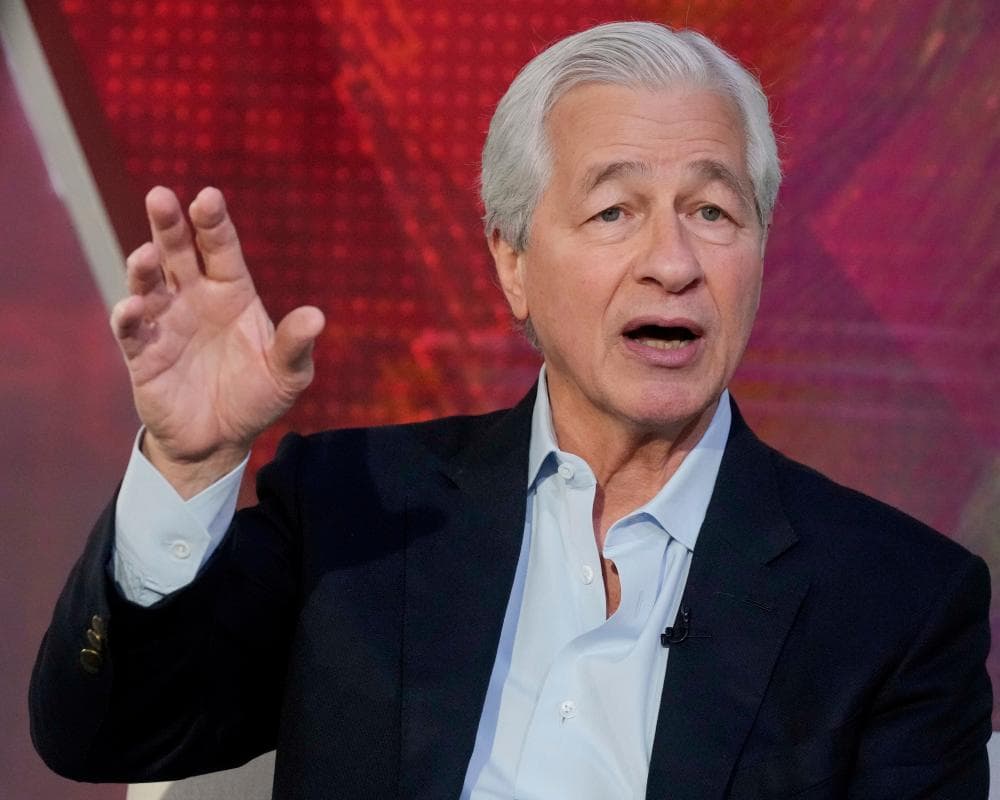
Jamie Dimon, the chief executive of the largest US bank, JP Morgan, is understood to have warned the UK chancellor, John Healey, against raising taxes on banks in his inaugural budget in October.
The Wall Street billionaire met the new chancellor on Wednesday and cautioned him that higher taxes could put investment and employment in the UK at risk, it is understood.
The meeting came amid speculation that Healey is considering a windfall tax on banks and oil companies in his budget on 28 October.
Dimon has a long track record of lobbying against Britain’s additional bank taxes, which were imposed after the government bailed out big UK lenders in the 2008 financial crisis.
Related: Taxing the banks: what Europe’s windfall levies brought in as Burnham eyes his next move
Lenders in the UK pay a 28% corporation tax rate, higher than the standard 25%, as well as a separate surcharge on their UK balance sheets.
The JP Morgan chief executive has previously warned that raising these taxes further could have “adverse consequences”. In August, he told Healey in a telephone conversation that higher levies could hit jobs, citing a fall in finance roles in New York that he blamed on the city’s tax regime.
Dimon was among a group of bank bosses who successfully lobbied against higher taxes before Healey’s predecessor Rachel Reeves’s budget last year – with Dimon hosting Varun Chandra, who remains in his post as the prime minister’s business envoy, at a birthday celebration for King Charles at the bank’s Manhattan headquarters.
Days afterwards, Dimon announced plans to build a 3m sq ft tower in London’s Canary Wharf district, although he added that a “continuing positive business environment in the UK” was required.
However, in May this year, he said he could scrap plans for the £3bn tower – which is expected to serve as JP Morgan’s UK headquarters and house more than half its 23,000-strong UK workforce – if Keir Starmer were replaced by a new Labour prime minister who was hostile to banks.
Andy Burnham has not made any specific comments about a bank tax so far. However, he has faced calls to introduce higher levies from the TUC and the campaign group Positive Money, which argue a tax increase could help cover rising household bills as part of his drive to tackle the cost of living.
The UK’s four biggest lenders – HSBC, NatWest, Barclays and Lloyds Banking Group – have generated £200bn in pre-tax profits over the past five years, largely off the back of rising interest rates.
UK banks together paid an estimated £43.3bn in tax for the financial year that ended in March 2025, according to a report commissioned by the industry body UK Finance.