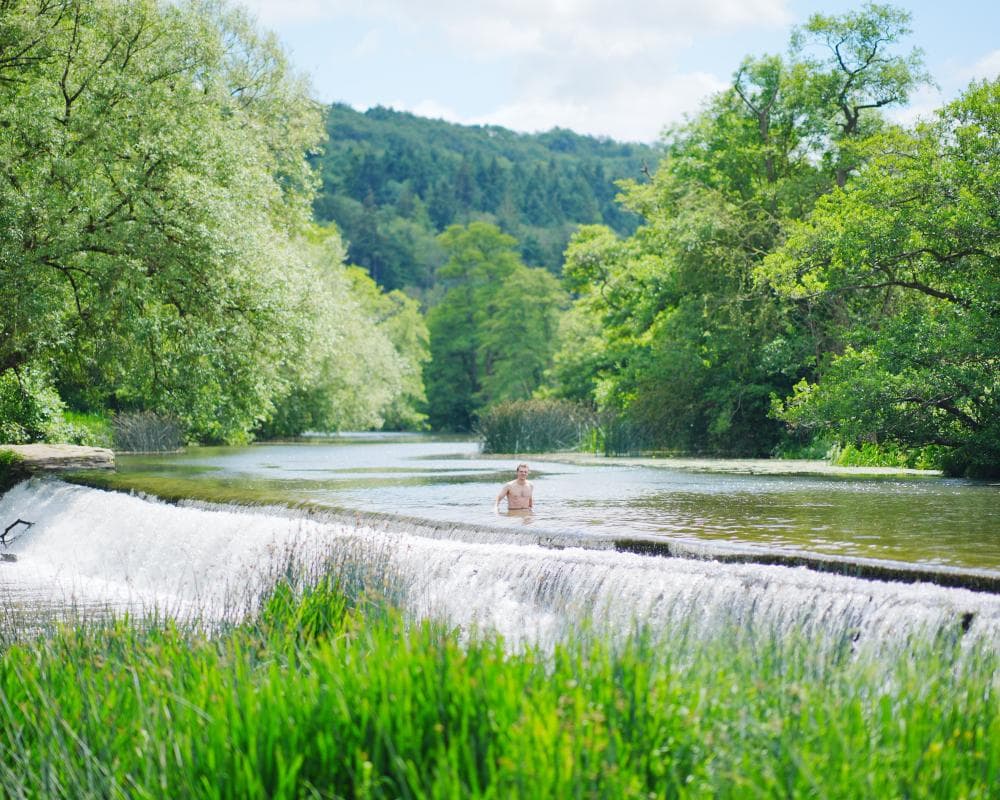
One Monday morning in spring last year, 12 people gathered in the morning drizzle at Joyce’s Pool, one of the sources of the Bristol River Avon, and took the first steps of the inaugural Avon pilgrimage.
Over the course of eight days, a revolving cast of pilgrims walked about 100 miles from the source of the river to the point at which it reaches the sea, in some cases bivvying on the riverside at night. Along the way they planted trees, sowed seeds, restored footpaths and presented councillors and decision-makers with a fledgling Avon charter, developed by the Bristol campaign group Conham Bathing.
“The reception was so good across political parties and interest groups,” recalls pilgrim Hamish Evans, who co-founded We Are Avon, which organised the pilgrimage and is building a movement to regenerate the Avon bioregion. “It felt inevitable that we would one day achieve better rights and representation for this river.”
On Sunday, World Rivers Day marked a breakthrough for the annual pilgrimage and wider Avon campaigning. Councillors, environmental groups, river guardians, and members of the public gathered at 11am at Parade Gardens in Bath to publicly sign the Avon bioregional charter of river rights (ABCRR).
The charter enshrines the Avon’s rights to exist, thrive, and evolve naturally, to flow sustainably, to not be polluted, to preserve its biodiversity, to aim for regeneration and restoration, to build cultural and community connection, and to represent and advocate for the rights of the river.
River charters are part of a national and international movement to establish legal rights and stronger agency for nature. Recent UK initiatives include Lewes town council recognising the rights of trees, organisations putting nature on the board, “interspecies councils” exploring interspecies decision-making, and a nature’s rights bill being debated in parliament.
About 40 river charters have emerged since the Sussex River Ouse became the first in England to have its rights recognised by a local authority, in February 2025. The ABCRR contains similar language, but it also breaks new ground. An unprecedented nine councils have endorsed it, including Bath and North East Somerset (B&NES), Bristol City, and North Somerset (under its motion for the ocean). More are expected to follow. We Are Avon’s bioregional movement also represents a new model for upholding charter rights.
Related: All bodies of water in England polluted with toxic chemicals, official data shows
River charters do not replace statutory duties, create legal obligations, or explain how competing rights should be handled. But proponents argue that they can align governance bodies around clear moral rights, empower grassroots stewardship and hold institutions to account.
Josh Levene, a founder of the UK River Rights Network, says the best charters are “social contracts between humans and the river”. The more integrated they are with existing institutions such as councils and catchment partnerships, he says, the stronger they become.
Through the charter campaign, We Are Avon convenes cross-council workshops exploring bioregional river governance for the first time. This has increased communication between councils, Wessex Water, and the West of England combined authority.
Individual councils are yet to publish implementation plans, though B&NES has appointed a river advocate to represent the Avon. The councillor Oli Henman says the charter also “allows us to embed some of those principles into our [climate and nature] strategy”, due in early 2027.
The Bristol Avon catchment partnership has not officially endorsed the charter, but is collaborating with We Are Avon. Henman says the charter “is really about re-energising, stepping up ambition, expanding that partnership”.
The We Are Avon movement, unique among UK river charters, plans to push existing institutions to uphold the charter – while also modelling alternative approaches.
Bioregionalism advocates for environmental governance that maps on to ecological systems – in this case the Avon catchment. Since 2023, We Are Avon has been mobilising farmers, river guardians, and other groups around bioregional ecology, grassroots stewardship, and river rights. Levene says the “Avon is furthest along the way to showcasing the bioregional approach”.
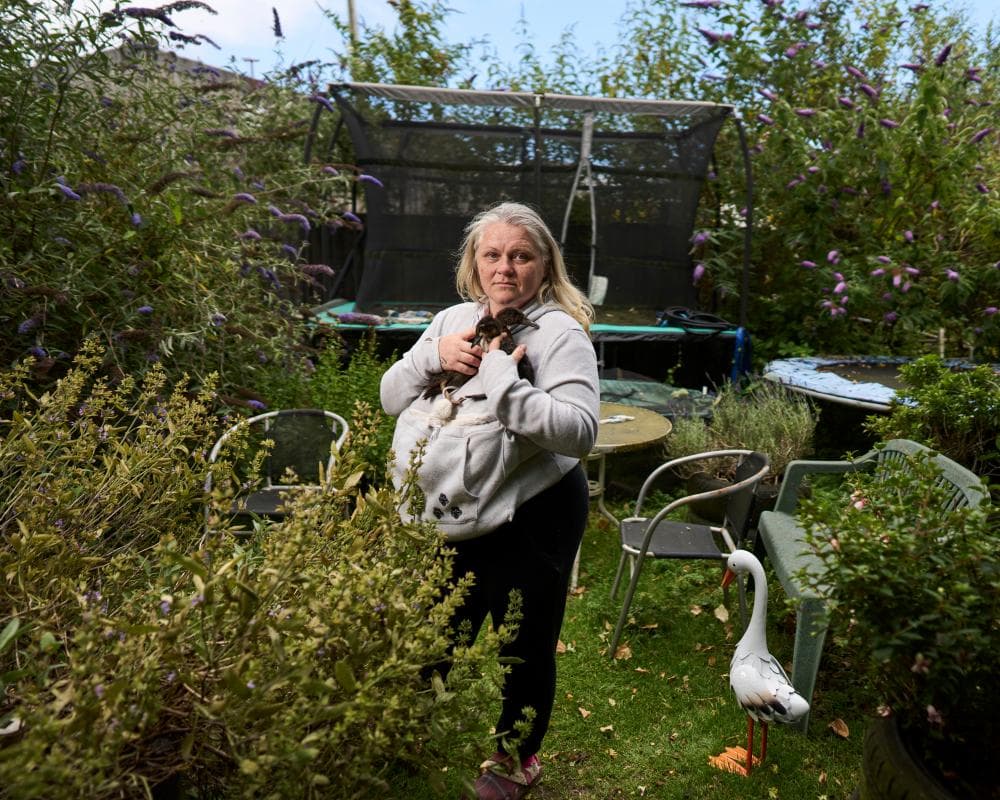
The campaigner Meg Avon, who “married” the Avon in 2023 to highlight river pollution, says 18 Avon guardian groups now test water quality, pick litter, and “maintain that relationship with their local tributary or section”.
For Paul Powlesland, a co-founder of Lawyers for Nature, this groundswell is critical. “River rights charters are an amazing way to begin changing our attitude towards rivers, but they don’t change the law by themselves,” he says. “Most important is what comes next. The Avon is lucky to have an amazing community of river guardians and supportive councils who can begin to make these rights a practical reality.”
We Are Avon is not relying on existing governance structures. “We want to keep the pressure on councils, but don’t want to wait for that,” says Evans. “We’re also making our own table.”
This means growing the movement and empowering local actors to step into charter implementation without top-down guidance. As well as guardian groups, We Are Avon is convening farm clusters to share regenerative practices, and preparing a campaign to acquire a community-owned hub to demonstrate regenerative land management. “If the community doesn’t have more autonomy over those things, the issues will perpetuate,” says Evans.
Movement building means shifting narratives – something charters can support. “Charters give people hope, which is in short supply,” says Levene. “They give people a sense of what they feel they’ve been missing for a long time – agency.”
Meg Avon has witnessed this. “We’re already starting to shift cultural consciousness into acknowledging that rivers are alive and subjects worthy of rights,” she says. “People are willing to go wading in shit because they get so much joy out of walking with us.”
If We Are Avon’s model strengthens charter enforcement, more than local pilgrims may soon be walking in its footsteps.