The director of a controversial new Russian film has said “everyone pays for his own choice” when asked about his lead’s refusal to condemn Russia’s war in Ukraine.
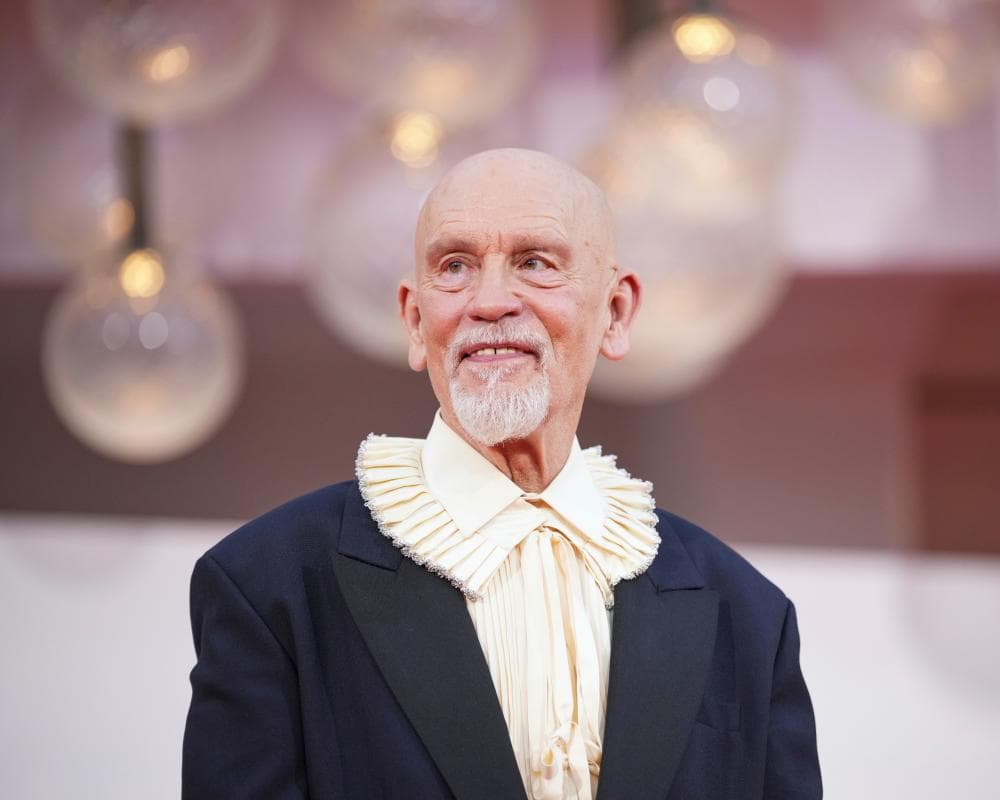
In film-maker Ilya Khrzhanovsky’s DAU, which premiered at the Venice film festival on Wednesday, Greek-Russian star conductor Teodor Currentzis plays the eponymously nicknamed protagonist, Nobel prize-winning quantum physicist Lev Landau.
Related: DAU review – Ilya Krzhanovsky’s crazed Soviet inferno reaches its central character
In the run-up to the festival, the film’s inclusion in the lineup was heavily criticised by the Ukrainian ministry of foreign affairs, in part over the fact that Athens-born Currentzis continues to live and work in Russia, and has never publicly denounced Putin’s war.
“It’s his choice,” Khrzhanovsky said at a press conference on the Lido. “But I think everyone is paying for his own choice, his own life, his own destiny,” added the film-maker, who has renounced his Russian citizenship over the full-scale invasion and lives in exile in Germany.
He referred to his film, in which Currentzis’s character Landau is put under pressure to work on the development of the nuclear bomb and eventually reluctantly agrees. “As you can see in the movie, the main character is also making different choices, and he’s paying for his choices.”
Currentzis did not attend the Venice premiere due to a “last-minute emergency”, but Khzhanovsky said he was still in touch with his lead actor and that he was “one of the greatest conductors of our time”.
Asked about his own position on the state of the war in Ukraine, Khrzhanovsky said: “The only thing I can wish for is peace and success for the Ukrainian government to succeed in the best possible way, to save the country and to win this war.”
DAU was a highly controversial project long before Russian tanks started rolling on to Ukrainian soil. Originally pitched to producers in 2006 as a conventional biopic, and shot between 2008 and 2011 in Kharkiv, Ukraine, the film grew into a gargantuan piece of experimental performance art, with 400 principal roles and approximately 10,000 extras. Some critics have likened it to a “Stalinist Truman Show”.
Related: Inside Dau, the 'Stalinist Truman Show': 'I had absolute freedom – until the KGB grabbed me'
Allegations of behind-the-scenes misconduct have dogged the project for more than a decade, with reports that on-set “KGB officers” – played by real-life ex-KGB officers – were allowed to control and punish the rest of the cast. Author Michael Idov, who was one of the few journalists allowed to spend time on set, described Khrzhanovsky as “unhinged” in a 2011 GQ article.
In Venice, Khrzhanovsky said he left the 700 hours of footage shot in Kharkiv untouched between the end of filming and 2023, in order to concentrate on art-project DAU off-shoots.
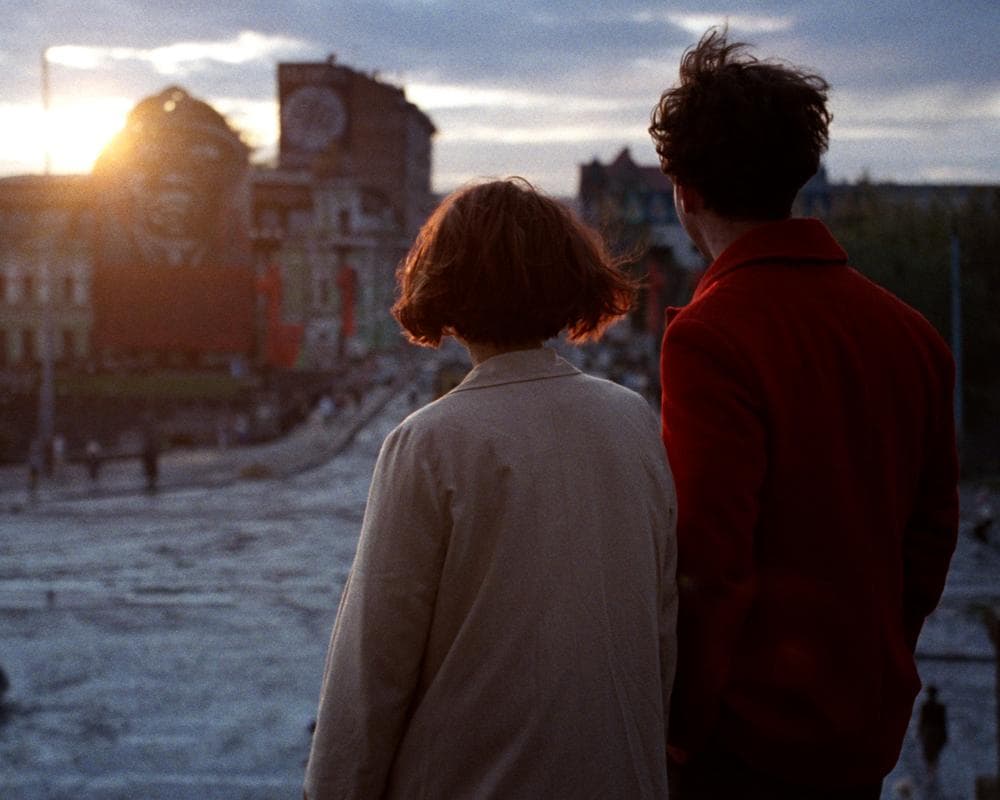
Experimental films DAU. Natasha and DAU. Degeneratsiya were screened at the Berlin film festival in 2020, but Khrzhanovsky has described the three-hour feature presented in Venice as the “mother film”.