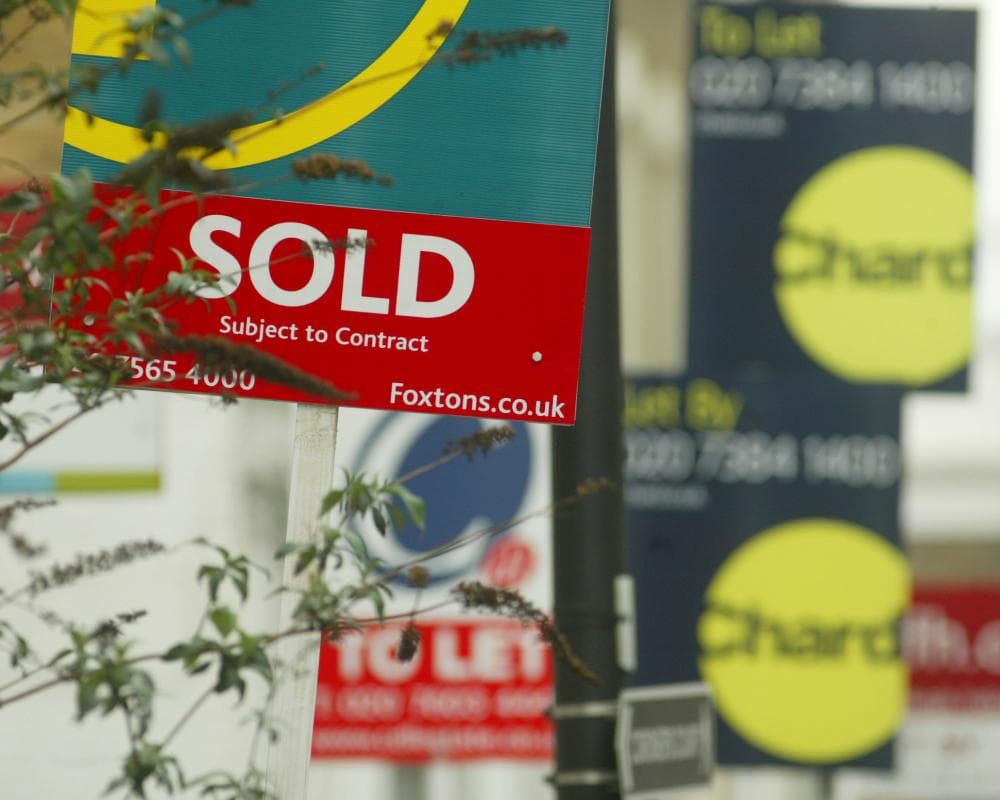
George Osborne’s scheme to reduce costs for first-time buyers represented “very high value for money”, according to a government review, bolstering the case of senior government figures who have been arguing to resurrect the idea.
An official audit of the Help-to-Buy programme has calculated it provided £25bn of social value to the UK in the last financial year, despite criticisms it was overly expensive and only served to inflate house prices.
The findings will boost the case of those, including the housing minister Matthew Pennycook, who have been pushing behind the scenes for Labour to create its own version in a bid to boost home ownership among young voters.
Sources say Pennycook and the former housing secretary Steve Reed advocated strongly for such a move but were ultimately overridden by the chancellor, Rachel Reeves, who wanted to focus more on boosting housing supply.
The report found: “The Help-to-Buy scheme supported expanded home ownership, particularly in already affordable areas.
Related: Housebuilder Crest Nicholson warns of annual loss in ‘subdued’ property market
“For some people, it helped them on to the housing ladder sooner or enabled them to buy when they might not otherwise have been able to afford to do so.
“For others, it supported people to skip a rung on the housing ladder and buy a larger or more expensive home. On this basis, the Help-to-Buy scheme delivered its core aim of supporting home ownership.”
The report did not take into account the effect on house prices, but it does rebut a central Treasury argument that it was an expensive way to boost home ownership and expand the supply of new houses.
It added that more than 387,000 people bought their own home through the scheme, more than 328,000 of whom were first-time buyers. Nearly half of customers said they could not have bought a home without the scheme.
A government spokesperson said: “There are no current plans to introduce a new Help-to-Buy scheme.
“But it’s important to learn what went well and what went wrong with the previous scheme, which is why we undertook a robust evaluation, as is normal for all major programmes.”
Both the prime minister, Andy Burnham, and his predecessor Keir Starmer have prioritised new housebuilding as they seek to tackle the country’s housing crisis.
Starmer promised to oversee 1.5m new homes over the course of this parliament, although the housing secretary, Angela Rayner, admitted this weekend that would prove difficult to meet.
So far ministers have focused on stimulating supply, pledging £39bn for new social and affordable homes and undertaking significant planning reform in an effort to encourage housebuilders to start new projects.
Labour has not, however, followed the Conservatives and introduced a scheme to subsidise first-time buyers.
In 2013, Osborne announced the first iteration of Help to Buy, offering taxpayer-backed loans to reduce the deposit buyers would need. In 2021, he launched a second version, which covered part of any losses that lenders made on mortgages with a high loan-to-value ratio.
Both applied to homes worth up to £600,000, and by 2014-15, they supported about a fifth of first-time buyer purchases.
The schemes proved popular, but were criticised by some as helping those who would have got on the housing ladder anyway and contributing to soaring house prices.
Earlier this year the Institute for Fiscal Studies found much of the benefit went to higher earners who would eventually have been able to buy a home anyway – particularly those living outside London and south-east England.
Despite these criticisms, multiple sources have told the Guardian that ministers and officials in the housing department were pushing to recreate a version of the scheme as soon as this year’s budget.
Reed wanted to create a scheme that focused on those who would not otherwise be able to afford to buy a home, especially where the housing market has recently cooled.
The former housing secretary is understood to have spoken to housebuilders before he left office about how such a scheme might be structured.
The Home Builders Federation, for example, has proposed a programme whereby developers would pay a fee to allow first-time buyers to buy their properties with the help of a government-backed 20% equity loan.
Sources familiar with previous discussions say such ideas were rebutted by Reeves, who wanted to focus on attempts to free up planning laws to encourage development instead.
A spokesperson for John Healey, however, refused to comment on the new chancellor’s view.