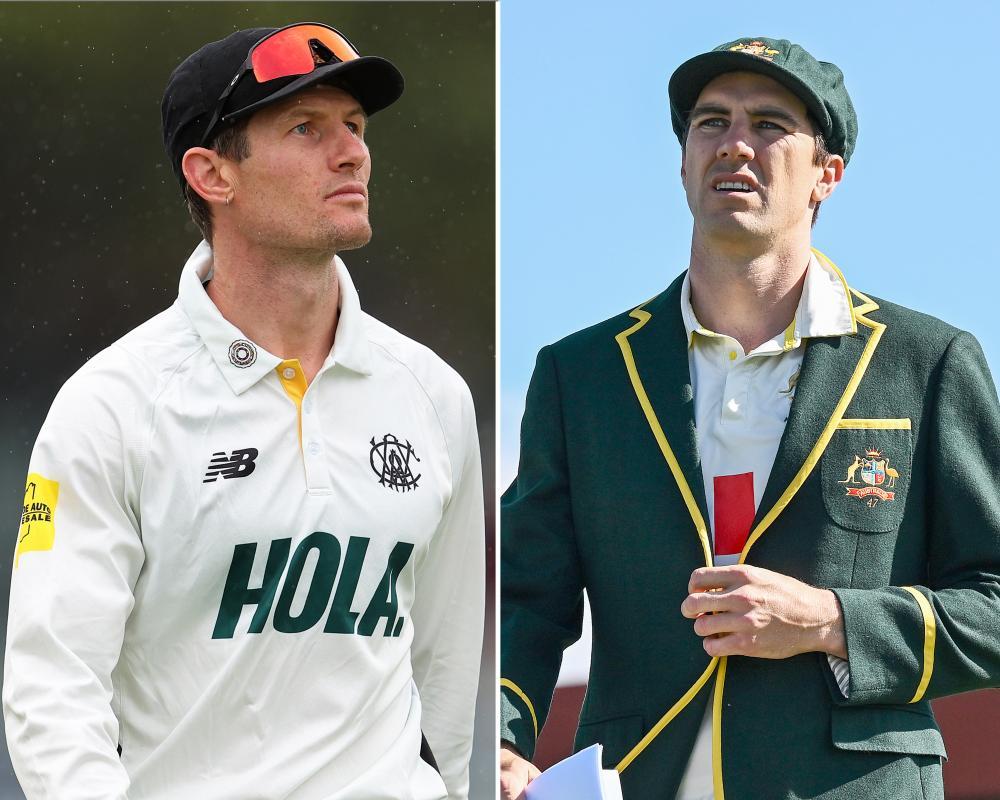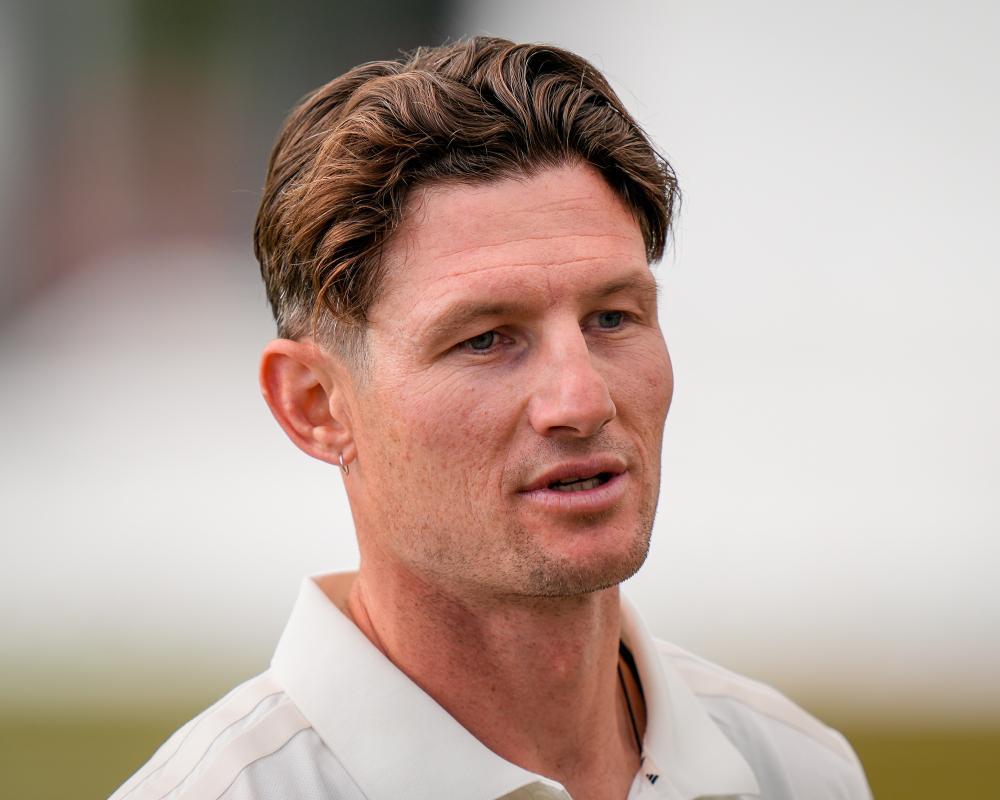
Cameron Bancroft has shattered Cricket Australia’s attempts to draw a line under the sandpaper scandal by claiming that all players and coaches on the infamous tour of South Africa knew about a plot to tamper with the ball.
In an extraordinary 4,000-word first-person article for the West Australian that will raise doubts over the future of Pat Cummins, the former Australia opening batter launched a devastating attack on the current Test captain’s integrity, describing his 68-minute press conference at the Sydney Cricket Ground last week as an act of betrayal.
Related: The Spin | Sandpapergate’s ‘war of the ghosts’ highlights perils of relying on recall
Bancroft has kept his silence since he was banned along with Steve Smith and David Warner, the then captain and vice-captain respectively, following an investigation by Cricket Australia after the South Africa tour of 2018, other than a 2021 interview with the Guardian in which he said it was “probably self-explanatory” that the bowlers were aware of the ball tampering, which led to Cummins, Mitchell Starc, Josh Hazlewood and Nathan Lyon issuing a joint statement denying any knowledge or involvement.
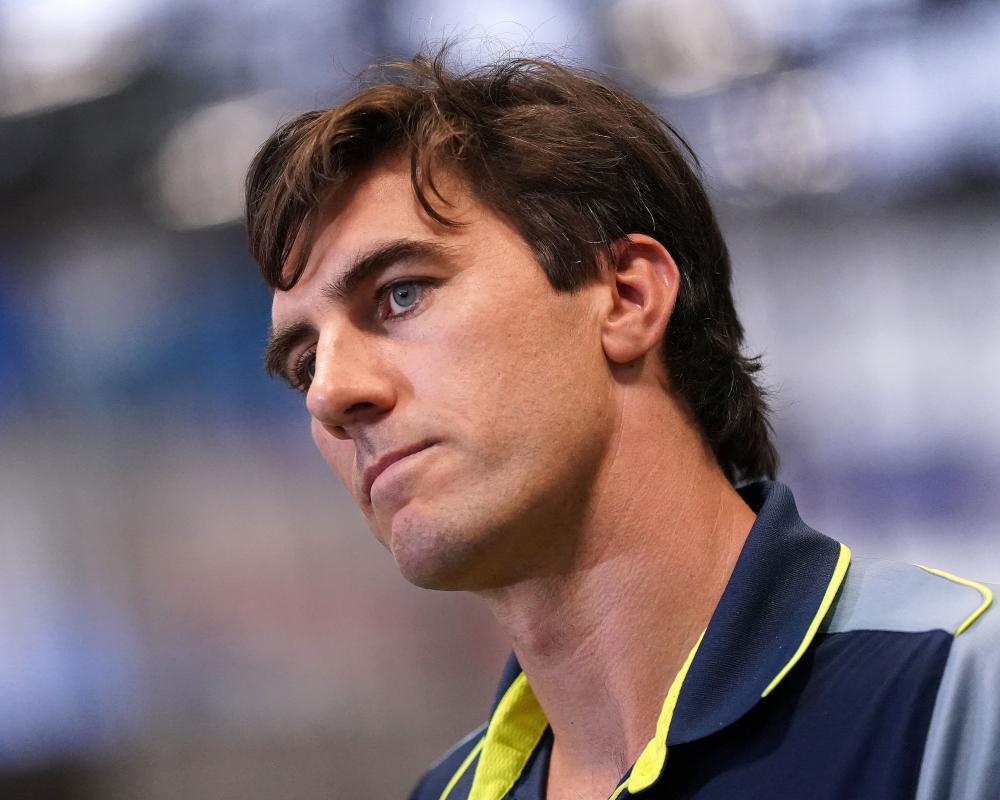
Cummins stood by that line when grilled by journalists at the SCG last Friday in a remarkable press conference that Bancroft described as “the final straw”, which convinced him to tell his own side of the story for the first time.
“It was not just the three of us – Steve Smith, David Warner and I – who knew about me using sandpaper on the ball in South Africa,” Bancroft wrote. “It was the whole team. When I was questioned during Cricket Australia’s investigation, I did not give a complete and truthful account.
“I withheld important details, including when the use of sandpaper began, how long it went on for, and the involvement and awareness of others. I did this to protect Cricket Australia’s investigation and not implicate others around me.
“The recent release of Usman Khawaja’s autobiography, Sabr, has brought many of those memories back to the surface. But the final straw for me to write this account was Australian cricket captain Pat Cummins’ press conference.
“It made me feel angry, betrayed and alone. What I saw, experienced and lived with – not only him, but everyone else on that tour in South Africa – is not the public account he gave in his press conference and in the years previously when he has spoken on this time.”
Bancroft’s words were published within hours of Cricket Australia announcing the creation of a truth and reconciliation-style forum inviting players to provide their own confidential testimony on Sandpapergate without fear of sanctions in the hope of finally achieving closure on the matter, an initiative that now appears moot.
In response to Bancroft’s article, Cricket Australia said that process would continue, and that he would be welcome to contribute. “We respect that Cameron Bancroft has told his story, and we will take time to consider his comments,” a Cricket Australia statement said. “We expect that there will be many dimensions to the events of 2018, which is why we have established the forum for individuals to give their version of events. We are finalising the terms of reference and will commence the process as soon as possible.”
Cummins’ management also issued a statement on his behalf which reiterated his position from last week. “Whilst we feel for Cam and everything he’s been through there’s nothing in the statement that hasn’t been answered by Pat in his press conference,” it read.
Bancroft was banned for nine months for his part in the scandal, in which he took sandpaper on to the field to tamper with the ball in the third Test match against South Africa in Cape Town. Smith and Warner received 12-month suspensions, with the latter also banned from assuming any leadership roles for life as he was perceived to be the ringleader.
After eight years the controversy was reignited this month by the release by the recently retired opener Khawaja of his autobiography, in which he claimed that knowledge of the cheating went far beyond those three players, a version of events subsequently endorsed by Warner and the 12th man in Cape Town, Chadd Sayers.
In his account Bancroft claimed the ball-tampering began at the second Test at Port Elizabeth, now known as Gqeberha, when Warner raised the possibility of using sandpaper to roughen one side of the ball during a team discussion involving players and coaching staff.
The 33-year-old said the then Australia bowling coach, David Saker, and the then head coach, Darren Lehmann, were present, while Smith entered the conversation briefly before making clear he wanted no part in the proposal.
Bancroft alleges he subsequently received regular feedback from Australia’s fast bowlers about whether his work on the ball was producing the desired reverse swing.
“I recall conversations with all the fast bowlers Pat Cummins, Mitchell Starc, Josh Hazlewood and Mitchell Marsh about whether it was reverse swinging enough,” Bancroft wrote. “All the bowlers gave me feedback if my work on the ball was working. It was helpful.”
Related: ‘We all knew’: Cameron Bancroft – his full ‘sandpapergate’ statement
Bancroft also claims the practice continued for the remainder of the second Test and into the third Test in Cape Town, where television cameras caught him attempting to conceal the sandpaper in his trousers. He claims Saker approached him during the Test at Newlands and instructed him to do more with the sandpaper to make the ball swing.
Bancroft claims that after he was caught, Saker specifically warned against identifying sandpaper as the material used, during the press conference, after he was spotted on the field with the ball-tampering agent. “We acknowledged ball-tampering while giving an inaccurate account of the material involved,” Bancroft wrote. “It was another lie. One told while we were supposedly taking responsibility.”
Lehmann left the ABC commentary box early at the final one-day international between Australia and England in Hobart when informed of Bancroft’s claims, while Marsh, the white-ball captain, did not attend the post-match press conference.