At least 28 planes have been subjected to security alerts or diversions this week, with at least 20 more bomb threats on Thursday disrupting civil aviation across Europe.
So what do we know so far, and how concerned should you be about your travel plans?
What’s happened?
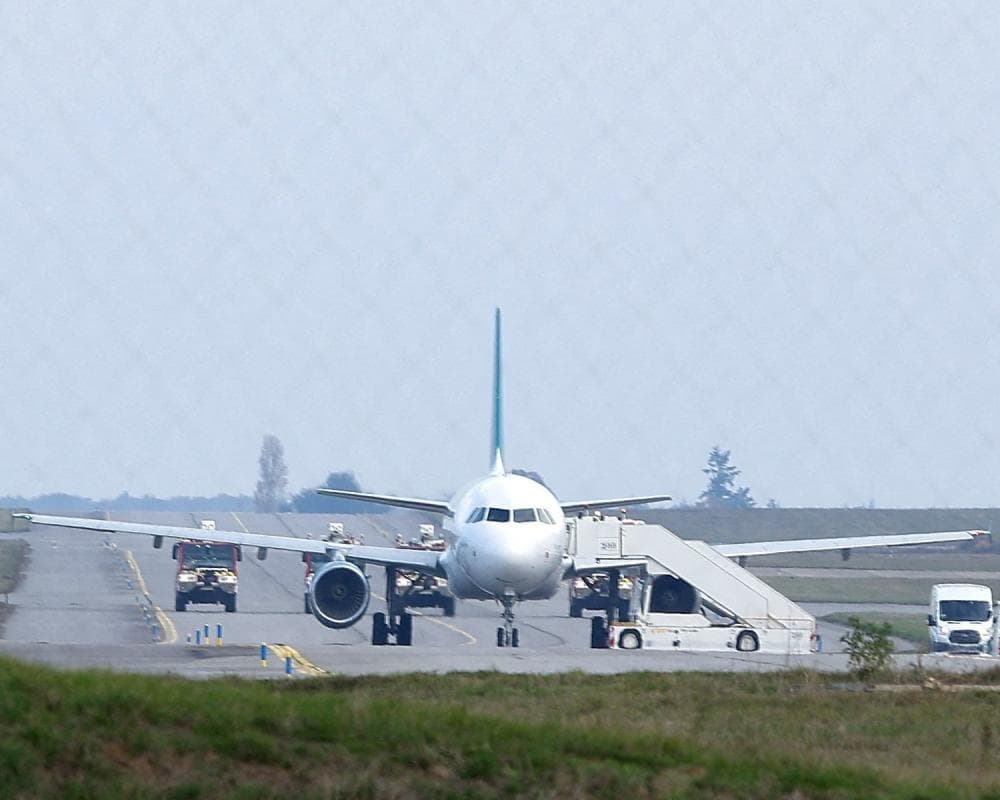
At least 28 flights have been disrupted this week, beginning on Monday when a Wizz Air flight from London Luton to Sofia in Bulgaria was diverted to Budapest. At least 20 more threats have been reported on Thursday, affecting airports in Brussels, Madrid, Milan, Prague, Rome, Sofia and Warsaw, among others.
So far all incidents have been confirmed to be false alarms, with nothing suspicious found by relevant security authorities.
Which airports and airlines have been most affected?
There is no clear pattern of airports and airlines targeted, although eight of the 20 flights on Thursday, and 11 of 28 this week, have involved Italian airports as an origin or destination. Six flights were from the UK, and four from Ireland.
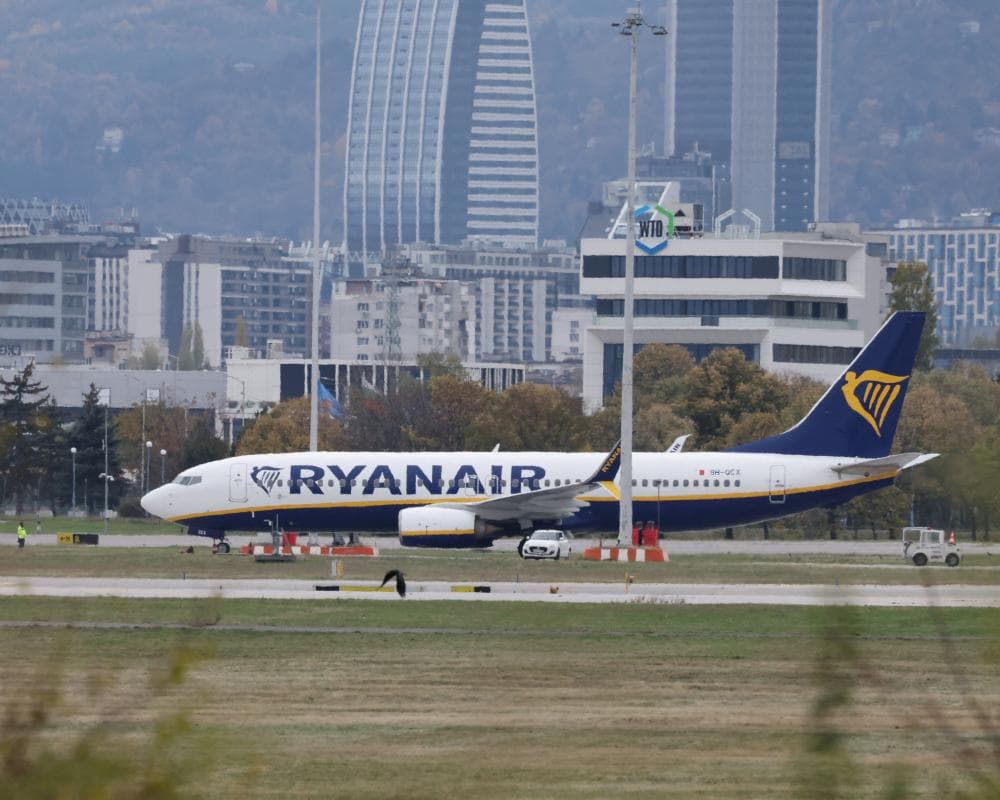
Sofia and Milan each recorded six incidents, followed by Rome (five) and Prague (four). Ryanair was the hardest-hit airline, with eight reported cases.
The EU transport commissioner, Apostolos Tzitzikostas, said on Thursday it was “too early to draw conclusions on whether the reported incidents are linked”, but stressed: “Any threats against civilians are unacceptable.”
Who is behind these threats?
There is no intelligence yet pointing to any particular group or state actor, such as Russia or Iran, amid growing concerns over hybrid incidents targeting Europe.
Aviation experts say fake threats occur daily but the multiplicity of this week’s threats is unusual.
As our transport correspondent, Gwyn Topham, noted, the ready availability of airline operations information on the internet means a hoaxer now has a level of detail about schedules and a plane’s type and technical specifications that would have eluded all but insiders decades ago.
Little is known about how these threats were reported to airlines or relevant authorities, though in cases involving Bulgaria, Italy, Poland and Spain, they were reportedly sent via email.
The Italian news agency Ansa, citing police sources, said the warning for the Helsinki-Rome and Dublin-Rome flights came from an anonymous email written in Italian and sent to the Rome airport company, ADR, and other affiliated companies early on Thursday.
Another anonymous email in Italian was sent to Milan Malpensa airport, claiming that explosive devices were on flights from Thessaloniki and Porto. The email included the flight numbers, the airline names, and their landing times in Milan, Ansa said.
Most authorities issued carefully worded statements confirming their security checks on the affected planes. However, the Czech police – which investigated four planes landing at Vaclav Havel airport in Prague on Thursday – said they considered the reports of “low relevance”.
How have airlines responded?
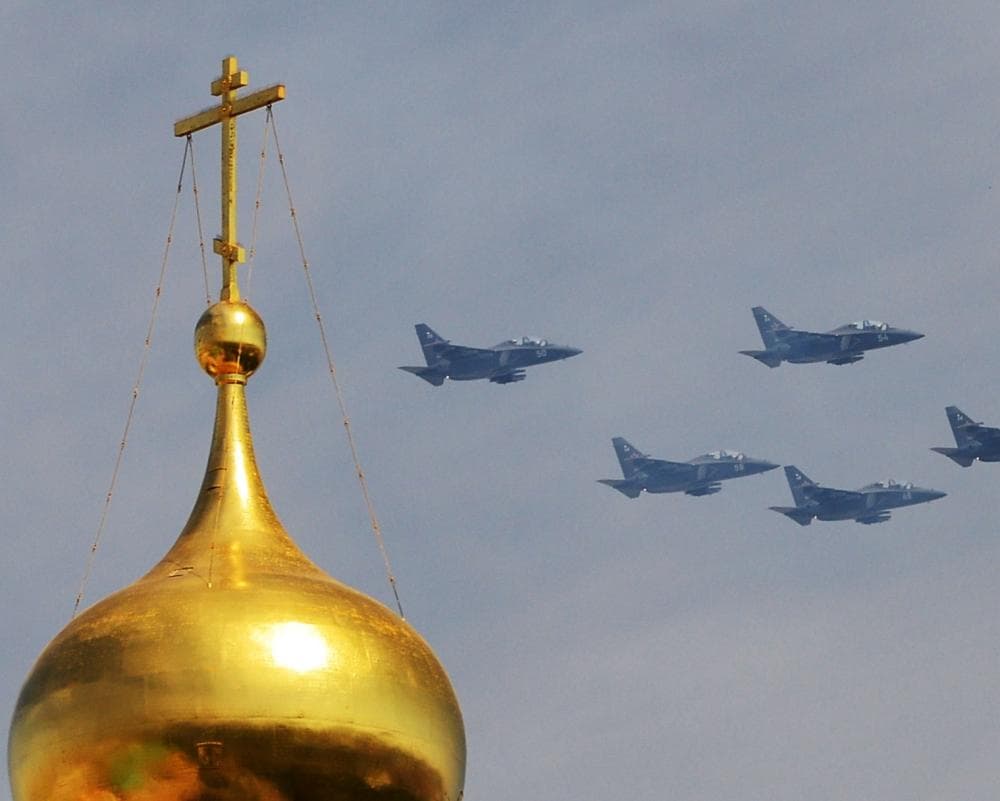
Relevant national authorities treat these incidents seriously in line with their safety procedures, with reports of fighter-jet escorts in Bulgaria, France, Hungary and Italy.
Diversions are expensive as well as highly disruptive, but airlines have little choice in the face of any remotely credible threat.
Joji Waites, the director of flight safety at the British Airline Pilots’ Association (Balpa), said any threat received by an airline was passed to a team of assessors who would grade it “red”, meaning credible, “amber”, partly credible, or “green”, not credible. If the plane is already in the air, the only rating possible is red or green.
He said: “Usually if a plane is still on the tarmac that will mean an evacuation, and if it is in the air, the priority will be to land the plane as soon and as safely as possible.”
Airlines appear to be concerned about the scale of possible disruptions and worry potential copycat alerts could cause further chaos.
The low-cost carrier WizzAir acknowledged “a series of similar bomb threats affecting several airlines across Europe in recent days”. It said: “Wizz Air is not the only airline targeted, with other carriers also experiencing threats resulting in flight diversions and security checks.”
FinnAir, which had two planes affected, said: “Unfortunately, air traffic is sometimes subject to threats, as we have seen this week, when also other airlines in Europe have faced hoax bomb threats.”
It added: “Threats are almost always unfounded.”