Jojo the rabbit-detecting dog is working eight days on, two days off, running up to 20km a day chasing rabbits in the south-west of Bon Bon reserve in South Australia’s arid centre.
“She’s being kept very busy,” says Dr Pat Taggart, an ecologist with Bush Heritage Australia, a conservation body that owns the former sheep property.
“I don’t actually think she has ever caught one. Her job is to scare them back into the burrows.”
Jojo – a five-year-old kelpie/jack russell/whippet cross – has been helping staff locate and map warrens so they can be fumigated or ripped up.
There is an ongoing battle at Bon Bon to keep rabbit numbers in check, especially after rain. Fresh shoots of native plants including acacia and mulga should be providing habitat for native species but are instead becoming food and breeding fuel for rabbits.
The population growth at Bon Bon and Boolcoomatta reserve to the east, is being repeated around Australia.
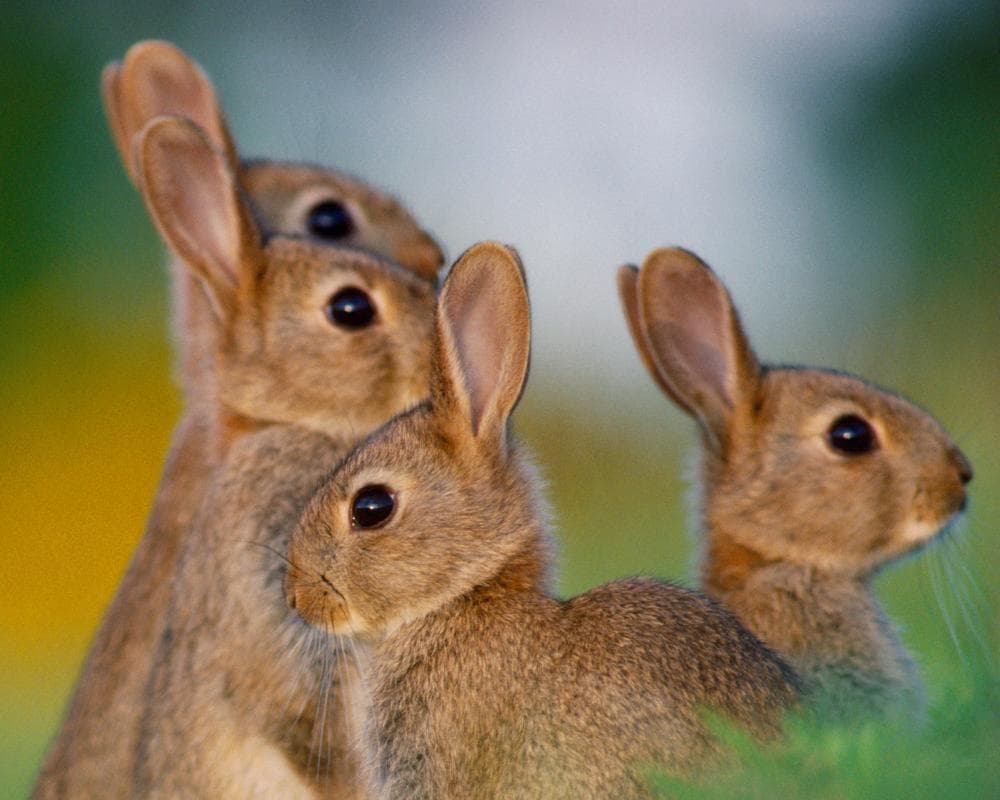
The European rabbit, Oryctolagus cuniculus, is one of Australia’s worst feral pests.
After a wet winter in central and southern parts of the country, their numbers are booming.
“We’ve noticed increases all around the country,” says the director of research, development and engagement at the Centre for Invasive Species Solutions, Dr John Virtue.
In particular, Virtue points to rabbit hotspots in southern parts of Western Australia, suburban Canberra; peri-urban areas around Adelaide; the New South Wales Riverina; and southern Queensland.
In Albany in southern WA, rabbits at “plague-levels” have invaded farms and one of the country’s top golf courses. Greens on the golf course had as many as 30 rabbits “having a party” each evening and grounds staff have been battling to fill holes dug by the rabbits.
“They can get to incredible numbers and you see the whole landscape gets denuded,” Virtue says.
From 24 to 200 million
Though they were introduced on the first fleet during the British invasion in 1788, research has traced the species’ continent-wide spread to one consignment of 24 rabbits brought in to the country by a settler, Thomas Austin, in 1859.
By the 1920s, rabbits had reached plague proportions, with estimates numbering them in their billions. More recent counts put the current population at closer to 200 million but the true number is unknown as there is no formal monitoring.
Their impact on the landscape has been measured. One study found rabbits were having negative effects on 329 threatened species in Australia – more than any other invasive pest.
They can breed year round with a good food supply but in temperate areas breeding season is in both autumn and spring after rain. If left alone, a rabbit population can increase tenfold in one season.
A 2020-21 estimate suggested rabbits cost the Australian agricultural sector $200m a year.
As well as eating the green shoots of native vegetation and competing with native species for food and space, rabbits also attract feral predators such as cats and foxes, presenting a dangerous triple threat to native wildlife and their habitat.
“There’s a lot of blame that goes on cats and foxes,” says Prof Katherine Moseby, an ecologist and conservation biologist at University of New South Wales. “But rabbits can sustain them at really high densities. They are the key to controlling cats.”
Broad control of rabbits in Australia has come through the introduction of two viruses – myxoma in the 1950s and, from the 1990s, versions of calicivirus.
The accidental first release of calicivirus in 1995 saw rabbit numbers plummet by as much as 95% in arid areas. The virus, causing rabbit hemorrhagic disease, escaped from a quarantine facility on Wardang Island in South Australia, probably via insects.
That event, Moseby says, caused “probably the biggest recovery of threatened species ever seen in Australia”.
In some places, she says, the density of rabbits per square kilometre dropped from 150 to two. In the years afterwards, the numbers of some small mammals dramatically increased.
Related: ‘Everyone’s on edge about it’: rabbit numbers on Phillip Island reach ‘plague proportions’
But these viruses are evolving and rabbit populations are developing resistance, helping them to once again take advantage of wet periods to breed in large numbers.
“We really need to be on the lookout for more biological control options, and be doing that all the time,” Moseby says.
In July the government announced a new program to develop new variants of calicivirus.
Virtue says: “Over time, the rabbit hemorrhagic disease virus has been losing its effectiveness. This comes back to the need to be releasing new strains every 10 to 15 years.”
More immediate steps available to landholders to control rabbits include fencing, poisoning and the fumigation and ripping of warrens, as well as licensed shooting.
Guidance from the Centre for Invasive Species Solutions suggests the welfare effects on rabbits from control methods differ widely, with ground shooting considered to be among the most humane methods and certain poisons among the worst.
Reservoirs of rabbits
One challenge, says Wayne Meyer, an adjunct professor of natural resource science at Adelaide University and an expert with the Foundation for Rabbit-Free Australia, is that as rabbit numbers have risen in peri-urban areas. This creates a reservoir that can move into neighbouring agricultural areas when rains arrive.
“Peri-urban areas have become a breeding ground because it is more difficult to have people control them there, mainly because the rabbits can be under buildings, for example, or in gardens,” he says.
In Mount Barker, east of Adelaide, thermal cameras have shown dozens of rabbits congregating on local sporting grounds after dusk to graze.
The local council has a rabbit control program that includes professional shooters, who can bag more than 100 in a night. Susan Ivory, who works on the rabbit control issue at the Hills and Fleurieu Landscape Board, says the sale of rabbit poisons in the area has risen five fold in the last four years.
“The rabbit numbers are getting really high,” she says. “They’re in gardens, eating people’s vegetables. There are rabbits on school ovals.”
“People worry about children being exposed to the rabbit droppings, and we get increasing numbers of complaints about dogs barking. It’s causing tensions between neighbours – some people bait and some don’t.
“But we have seen good results on housing estates where people have worked together to get the rabbit numbers down.”
Meyer is hopeful of a future where Australia is free, or almost free, of rabbits – and looks to new viruses and genetic solutions that could be the answer.
“It’s going to take a tremendous amount of work to do all this safely. But only then will we appreciate just how destructive rabbits have been. There is nobody alive that has seen what our landscape looks like without rabbits.”