The energy secretary has been dealt a double blow after two UK companies signalled plans to pull their investment from large fossil fuel projects amid disagreements over government policies.
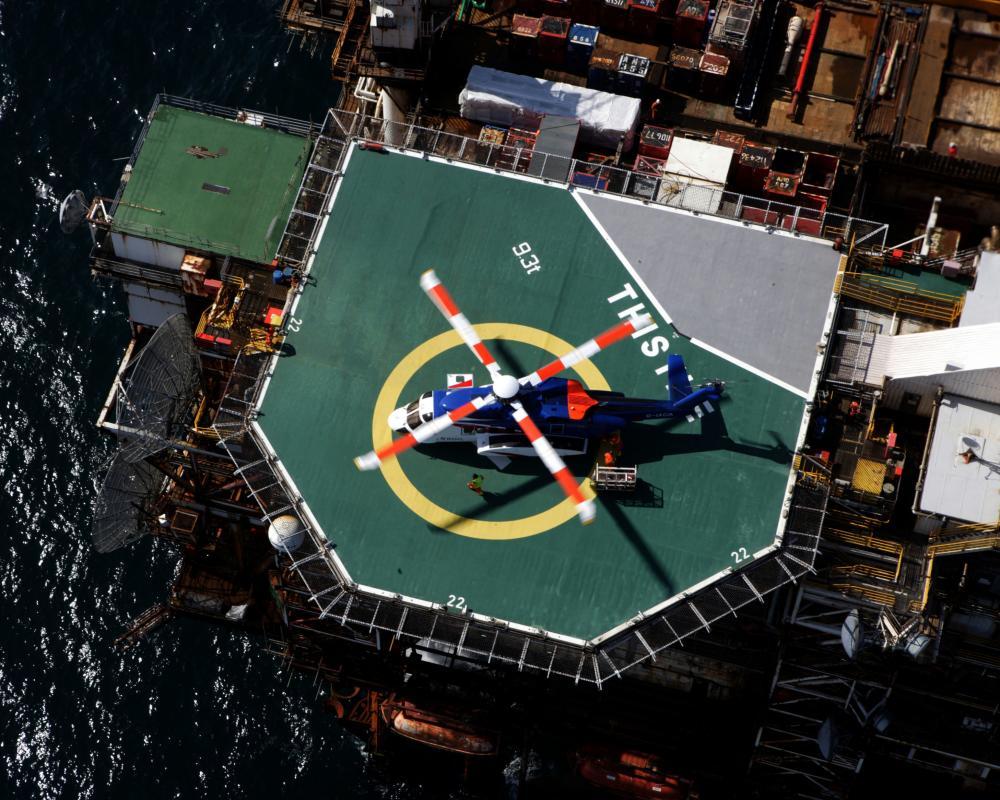
One of the North Sea’s biggest independent companies, EnQuest, said on Wednesday it was quitting the North Sea oil and gas basin to focus on making better returns in Asia, blaming the “uncertain investment environment within the UK”.
Separately, the energy company SSE told investors that next summer it would start the process of closing one of the country’s largest gas storage sites, which is on the North Sea coast, unless the government intervened to offer support amid weak market conditions.
The tacit criticism is expected to pile pressure on Miatta Fahnbulleh, who became the energy secretary in July, to clarify the government’s plan to secure the UK’s gas supplies as households face a significant rise in energy bills this winter because of soaring gas costs.
EnQuest set out plans to sell its entire portfolio of UK oilfields to the biggest North Sea producer, Neo Next+, for up to $960m (£730m), weeks after the company urged the chancellor, John Healey, to use his budget in November to reform the industry’s tax regime.
The UK oil and gas industry said after the budget that the Treasury’s decision to leave its planned North Sea tax changes until the end of the decade was “continuing to drive energy investment abroad”.
The British oil company BP is also in the process of exiting the North Sea after announcing in the summer that it would end six decades of production from the basin by selling its entire business there.
The EnQuest deal marks “another significant company exiting the UK continental shelf”, according to James Hosie, an equity analyst at Shore Capital. He said the company had opted to leave after 16 years as a leading independent operator in the basin “rather than hold out for an improvement in the UK regulatory and fiscal regime for upstream oil and gas”.
SSE told investors that while its Atwick gas storage site in the north of England had a “strategic importance” to the energy system as the North Sea’s domestic production declined, it was “increasingly clear that existing market arrangements do not support their continued operation”.
Closing the Atwick facility, near Hornsea on the East Yorkshire coast, would remove about 309m cubic metres of gas, or about 1.5 days’ worth of Great Britain’s gas usage, from the UK’s storage capacity.
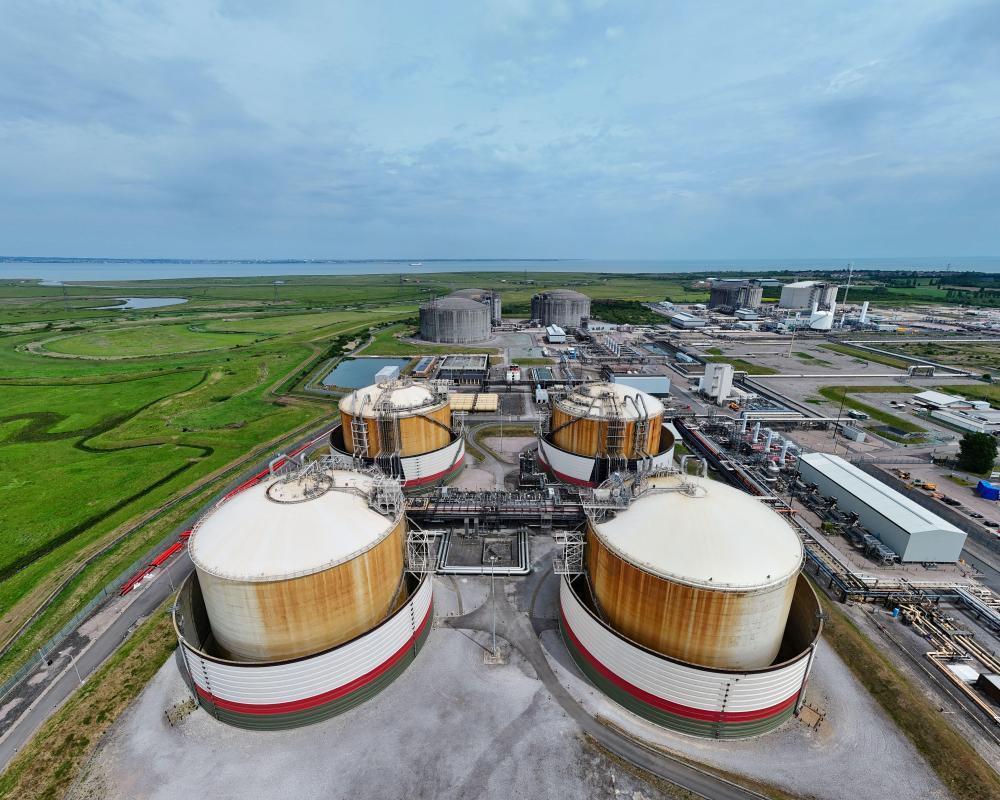
The site makes up a fifth of the country’s onshore gas storage capacity. When the storage tanks at the UK’s liquified natural gas terminals and the offshore Rough site in the North Sea are included, it accounts for 7% of the country’s total capacity. Rough is also at risk of closure unless its owner, Centrica, the parent company of British Gas, can agree a long-term financial support deal with the government.
The renewed concerns over supplies emerged on the same day that the National Energy System Operator (Neso) said in a second consecutive annual report that the UK was at risk of a gas supply crisis as the North Sea’s production winds down.
The report echoed concerns that while the UK has enough access to global gas markets to cover demand when weather is normal, if even a single piece of Britain’s ageing gas infrastructure suffered an “unlikely” outage during a very cold spell, then supplies could fall short of demand. This would lead to emergency measures such as shutting off gas supplies to factories, power plants and – in extreme scenarios – homes.
A government spokesperson said it had given the North Sea sector and its investors “the long-term certainty to plan, invest and support jobs” by setting out its intention to end the current tax regime in 2030, or earlier if global oil prices fall below a specific threshold.
“The North Sea remains a vital national asset,” the spokesperson added. “Oil and gas will continue to play an important role in our energy system for decades to come, as we continue our transition to clean power to protect jobs and tackle the climate crisis.”
The spokesperson said the government would set out its proposals to protect Britain’s gas security, which could include offering commercial support to storage facilities, in due course.
Energy companies typically rely on stockpiling gas in their storage facilities during the summer, when prices are usually lower because of weaker demand, before selling the gas at a profit during winter when demand for energy usually lifts market prices.
However, the gas price increases triggered by the Iran conflict this year and by Russia’s war on Ukraine in 2022 has upended normal market patterns, leading to historic market price highs during the summer that have made it uneconomical to stockpile gas before winter.
As a result, countries across Europe have entered the cooler months of the year with gas stores at their lowest level in more than a decade.
Britain already stores less gas than some of its European neighbours and is more reliant on liquefied natural gas imports. The closure of a storage facility such as Atwick could leave the UK even more exposed to price shocks on global markets.
In October, Fahnbulleh approved the Jackdaw gasfield, which began producing gas for the first time this week. She is expected to decide whether to consent to oil production from the Rosebank field before the end of the year.