The Bank of England governor, Andrew Bailey, has urged the chancellor, John Healey, to agree a budget that reassures financial markets after the UK’s medium-term borrowing costs hit a fresh 19-year high.
With investors offloading government bonds previously considered safe havens amid fears of rising inflation, Bailey told all governments caught in the crosshairs of financial speculators that they needed to avoid market turmoil that raises the interest paid on debt.
Recent dramatic moves in government bond markets have been driven by international factors, but will increase the pressure on Healey ahead of his tax and spending announcement on 28 October.
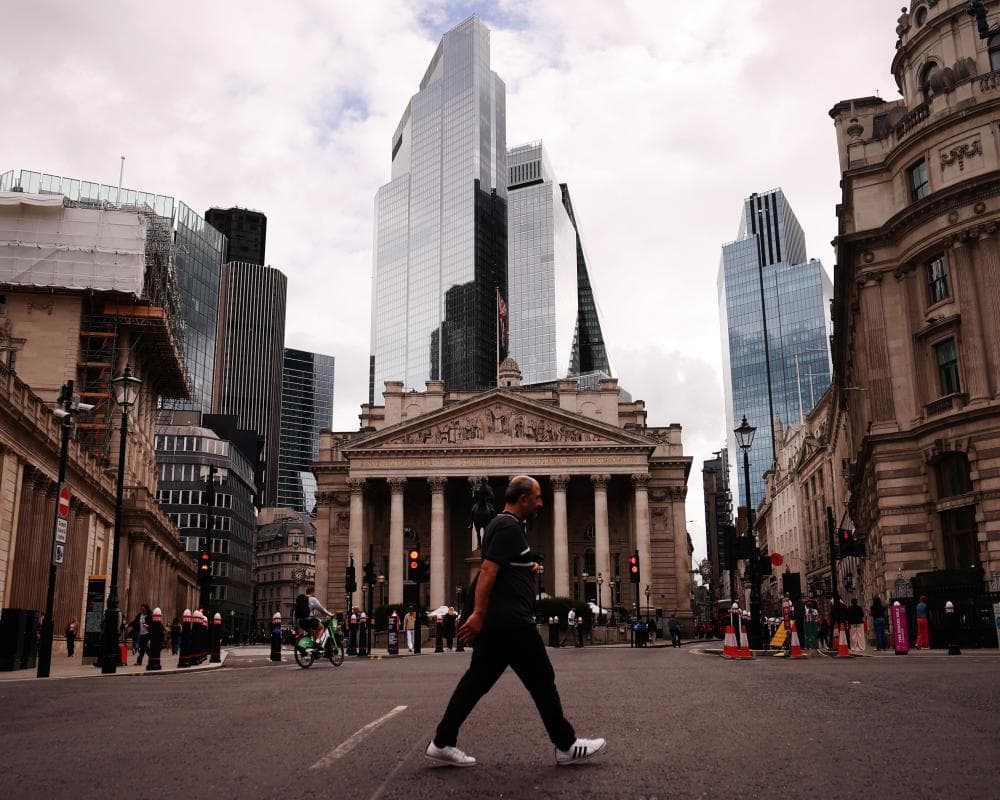
The yield, or interest rate, on 10-year UK government bonds had risen 0.06 percentage points by lunchtime in London, to 5.515%. That was the highest level since July 2007, when the global financial crisis was starting to unfold.
Yields on 20- and 30-year UK government bonds, which are known as gilts, also rose significantly, to their highest level since as long ago as 1998. Yields go up when bond prices go down.
Yields later dropped back on a day of volatile trading, but analysts said further conflict in the Middle East would push them up again as concerns increased about inflation becoming embedded in many major economies.
Meanwhile, the benchmark oil price rose by more than 5% to $105.3 a barrel amid escalating tensions in the Middle East and a squeeze on production from the threat of a hurricane off the US coast.
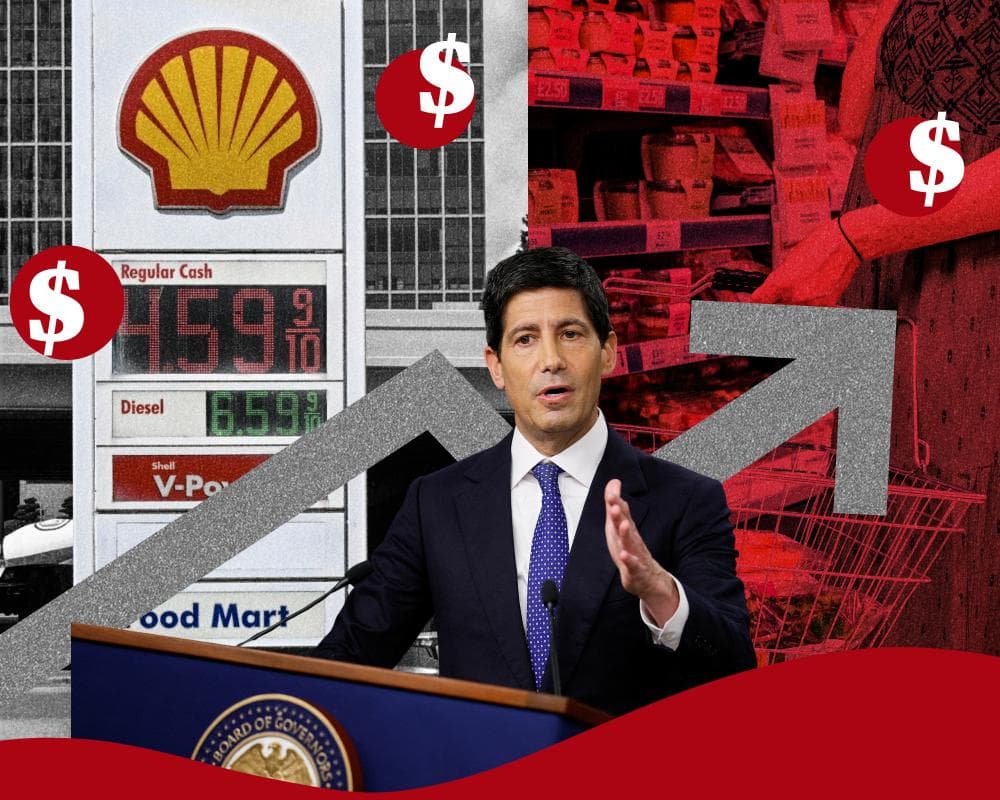
Diesel prices at UK pumps hit £2 a litre last week, leading to concerns among central banks that inflation will surge over the coming months, leading to higher interest rates and burgeoning government debt financing costs.
Speaking at a conference in Istanbul, Bailey said he would not meddle in government policy, but he had one observation for Healey after the recent bond rout dramatically increased UK borrowing costs.
“Whatever the stance of fiscal policy, it must be credible and be seen as such by financial markets,” he said.
Realistic commitments to rein in debt would help curb demands for higher returns from investors who might sell when there were shocks like the outbreak of the Iran war, he said. “In other words, such commitments are needed more than ever when these negative shocks occur.”
Economists believe rising borrowing costs and a weaker growth outlook are likely to have wiped out around half of the £24bn buffer against Labour’s fiscal rules that Healey’s predecessor, Rachel Reeves, built up at the time of her spring statement in March – perhaps significantly more.
Healey is expected to raise taxes at the budget to partly rebuild that cushion, as well as paying for policy interventions including the six-month VAT cut on electricity bills and a modest energy support package for the poorest households.
Some economists are warning the chancellor not to go too far in rebuilding the Treasury’s headroom, however. Andrew Wishart, of Berenberg Bank, said: “Raising taxes to keep the surplus close to the size it was in the March forecast (ie to ‘maintain the headroom’) would do unnecessary damage to economic incentives.”
He argues that gilt yields are likely to come back down over the next year, with the Bank of England likely to make fewer rate rises than the four that investors currently expect.
The Bank is widely expected to raise interest rates at its November meeting to tackle surging inflation, echoing moves already made by the European Central Bank, Federal Reserve and Bank of Japan.
The bond selloff has intensified across big economies in recent days, as oil prices have soared, with no resolution of the Middle East conflict in sight.
Investors appear to be anxious about higher inflation and runaway government spending. France has been hardest hit, as Paris battles to pass a budget, but the selloff has been widespread.
Reuters reported that European Central Bank officials and eurozone finance ministers were preparing on Thursday to make representations to the French government to pass a 2027 budget to calm bond markets.
Investors are worried about the country’s large budget deficit and 2027 presidential election. Its 10-year bond yield has jumped nearly 80 basis points since the start of September and hit its highest level since July 2002, just short of 5%.
An EU official said finance ministers were unlikely to make a public plea, but would call for a budget that brought down annual borrowing.
“That’s kind of a no-brainer. So I would expect this to be the main message,” the official said.
Kristalina Georgieva, managing director of the International Monetary Fund (IMF), has urged governments to tighten their belts in response to rising bond yields.
“My message to the world’s economic policymakers will be this: we cannot keep delaying necessary policy action – you have the tools, now have the wisdom to use them,” she said, ahead of next week’s IMF annual meeting in Bangkok.
Higher yields not only push up costs for indebted governments, but have knock-on effects for borrowers across the economy, including homeowners and businesses.
The US Treasury secretary, Scott Bessent, has tried to rein in yields on the US’s long-term debt by increasing buybacks of its government bonds, known as treasuries, but the policy appears to have had little impact.
Yields on the 30-year treasuries targeted by Bessent’s policy were about 5.235% when he announced the doubling of buybacks in August, but have since surged above 5.7%.