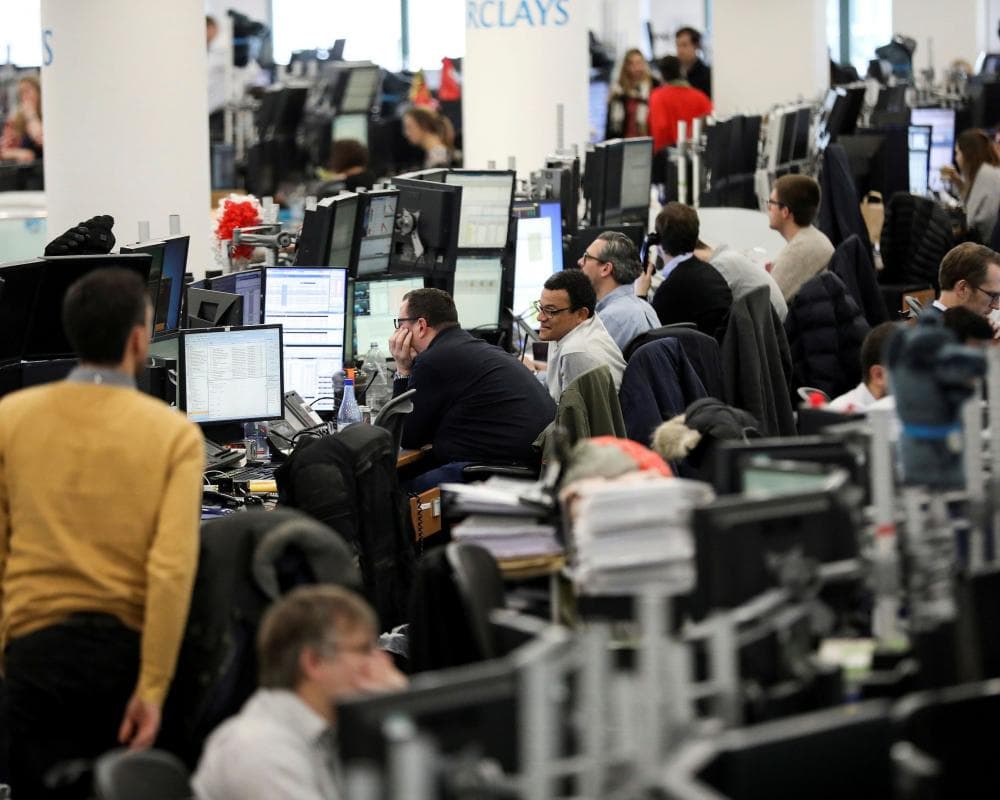
Barclays is cutting 5,000 jobs as part of wider cost-saving plans that its bosses say are being driven by advances in AI.
The job cuts will mean losing about 5% of the bank’s 93,000 global staff, with executives confirming they had already cut 1,000 workers since the start of the year.
The bank’s chief financial officer, Anna Cross, told reporters on Thursday that the job cuts were part of plans to save more than £1.1bn in 2027. “These actions involve an expected reduction of circa 5,000 full-time employees. Around 60% of the group actions relate to support functions, including fewer developers, as AI makes our people more productive.”
When asked how many of the total job cuts would be directly linked to advances in AI, the chief executive, CS Venkatakrishnan, said the bank had been making “deep investments” in technology and simplifying its processes.
“That is driving the bulk of the efficiency gains that you’ve seen so far. AI has an important role to play and may have a more important role to play in the future,” Venkatakrishnan said, calling AI the “icing on the cake” to modernising the bank’s technology.
Sharon Graham, the general secretary of the Unite union, said Barclays workers “deserve better”.
She added: “The company is using AI as an excuse to discard its loyal and long-suffering workforce. Employers should be focused on upgrading employees’ skills so that they remain employed as new technology changes the workplace. Instead, Barclays is guilty of taking a short-term, kneejerk approach.”
The news comes months after another UK-headquartered bank, Standard Chartered, announced plans to cut more than 7,000 jobs in the next four years as it ramps up the use of AI. It will mean slashing about 15% of its back-office roles by 2030.
Barclays also announced plans to hand a further £500m to investors, taking the total amount given to shareholders since January – through buybacks and dividends – to £2.8bn.
It came as the lender reported £2.3bn in pre-tax profits over the July to September quarter, up 12% from £2.1bn during the same period last year.
The strong financial performance will probably to be used to justify the expected increase in bank taxes in the 28 October budget, as Andy Burnham’s government looks for ways to raise revenue to help fund cost of living support programmes.
When asked whether the bank might consider tilting assets or investment out of the UK and to the US – where it also has operations – as a result of higher levies, Venkatakrishnan said Barclays would be able to absorb them.
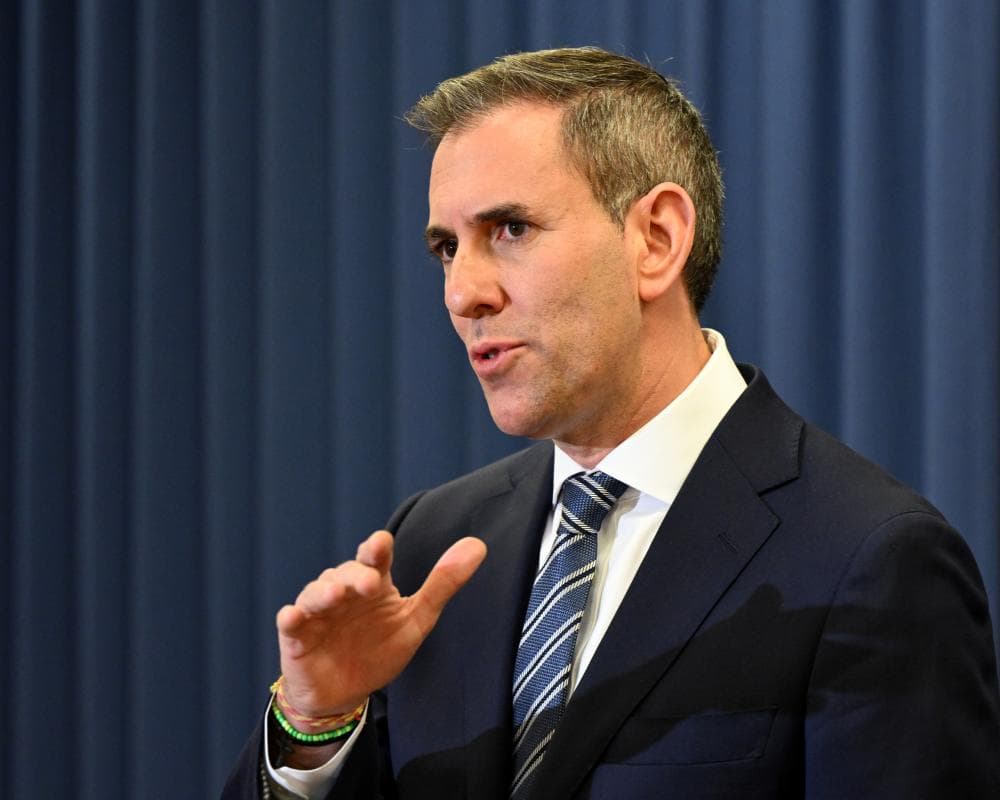
“I recognise that the chancellor and the government … have to balance a host of considerations,” he said, adding that Barclays shared their goal to prompt growth.
“This is not a question of a financial hit to us. It’s bearable. It is a question of proportion and it’s a question of market signalling. But … I deeply respect the responsibility that the chancellor has and he has our full support and backing.”
Barclays’ strong performance included a 6% rise in net interest income at its UK retail banking operations, to £2bn. The figure has become a flashpoint for campaigners pushing for a bank tax.
It accounts for how much money banks make from loan charges, minus what they pay on deposits, and is linked to interest rates, which have been rising as the Iran war has driven up inflation expectations.
The Trades Union Congress, which has been campaigning for a bank tax increase, said lenders needed to contribute more at a time when people were struggling with household bills.
The TUC general secretary, Paul Nowak, said: “Barclays’ bumper profits aren’t an anomaly. All the big banks are doing exceptionally well … Britain’s big four banks have made £200bn in profit since 2021. They can – and should – pay more tax.”
Healey has promised that next week’s budget will support Britain’s entrepreneurs, and focus on cutting the “cost of business”.
He told the Times: “I want to be a chancellor who backs business in Britain making a profit, those entrepreneurs who in the end are the ones who challenge the status quo, come up with innovative ideas and are trying, some of them through sheer bloody-mindedness, to keep going through these sorts of pressures, which is what they’ve done.”