How could a Democrat majority in Congress change US policy towards refugees?
Abdullahi Duale Muhumed, Dadaab Refugee Camp, asks in a callout question: Could a Democratic majority in Congress after the November 2026 midterm elections help reinstate the Welcome Corps refugee sponsorship programme? If Democrats gain control of the House of Representatives or the Senate, what practical steps could they take to restore the programme, and how much power would President Trump retain to block those efforts? For refugees who were hoping to find safety in the United States through Welcome Corps, could a change in congressional leadership offer a realistic path to reopening the programme?
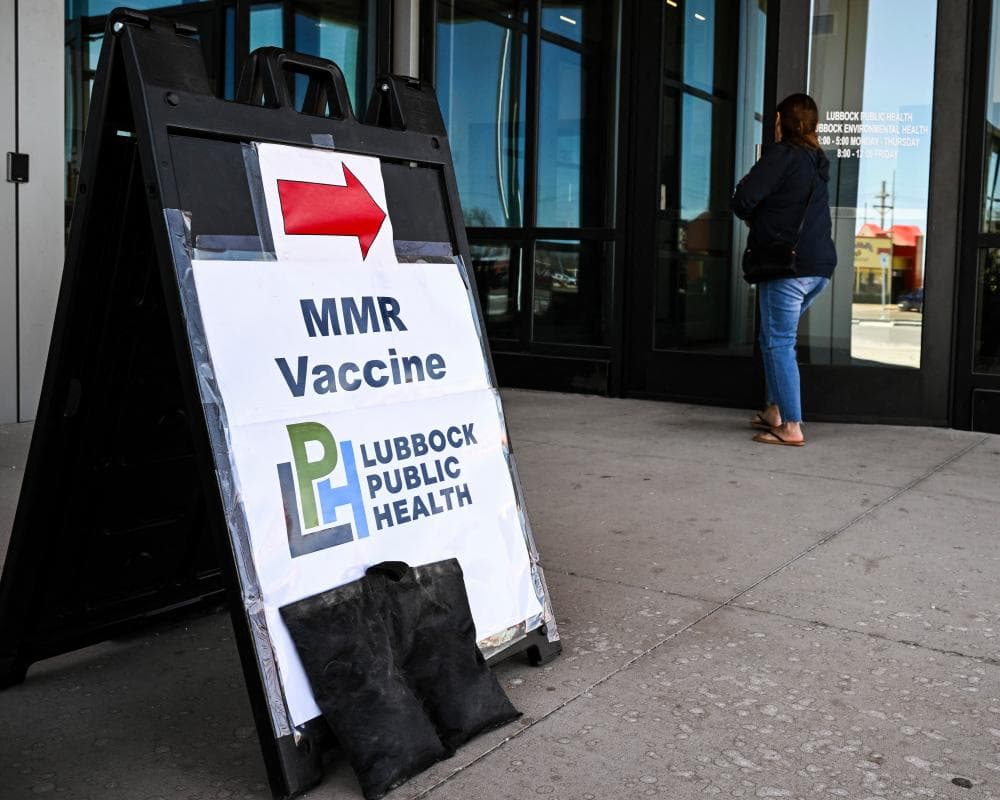
José Olivares: The Welcome Corps refugee program, like all refugee programs in the US, was canceled and shut down by the Trump administration in early 2025. This was then compounded with further constraints on refugee communities and their ability to enter the US via travel bans — all through executive order. We recently reported on how the US is admitting only 17,500 refugees for Fiscal Year 2027, but they will “primarily” be white Afrikaners from South Africa. The administration’s refugee policies are now leaving thousands of vetted and approved refugees stuck in refugee camps or in dangerous conditions, including relatives of US citizens. It is hard to speculate, but a Democratic majority in congress would have a very challenging time reinstating the refugee and resettlement programs. Congress would have to introduce and then pass new legislation to override Trump’s refugee and “travel ban” executive orders, which would be a lengthy and difficult battle. At the moment, there is a major lawsuit playing out in a federal court that is challenging the administration’s refugee policies and executive orders. Advocates are hopeful that a federal judge will side with them to potentially override Trump’s executive orders and allow refugees to enter the US.
Related: Trump wants more Afrikaner refugees while others are stuck due to his ‘cruel’ policies
How were the Trump administration's comments on ICE agents getting "absolute immunity" handled?
Anonymous reader, Georgia asks in a callout question: There were comments early on from Trump and his AG suggesting ICE agents had “absolute immunity”. I’m curious if this was handled/litigated beyond just discussion in the media.
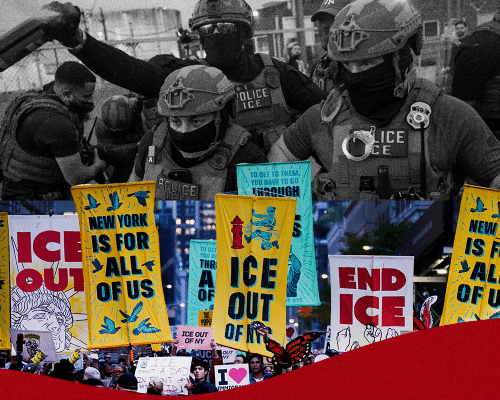
Sam: When immigration agents shoot people, DHS typically responds with statements claiming the use of force was justified and in self defense. It is exceptionally rare for the federal government under Trump to take any stance that suggests offers who injure, shoot or kill people should face accountability or any consequences. But it’s worth noting an isolated case last month where DOJ filed charges against an agent who shot a Venezuelan man in Minnesota. Federal prosecutors accused him of making false statements. This case would suggest that officers do not, in fact, have “absolute immunity”, even in the eyes of the Trump administration. It’s also very rare for local officials to file charges against federal officers, but it’s possible we will see more of those cases resulting in some levels of accountability for federal agents’ use of force.
Updated
How has support for Trump's immigration agenda changed among Latine/Hispanic Americans?
Anonymous reader, California asks in a callout question: What impact the ICE actions are having on the Latino vote, particularly in states like FL? I am very concerned about the many tactics that the Trump Administration can deploy to frustrate voting, (last minute mobilization of ICE, Federalization of Nat’l Guard, martial law, litigation questioning the results, delaying the swearing in of the new representatives). Any thoughts on the likelyhood of any or all of these?
Maanvi Singh: Politically, it’s clear that Trump’s immigration crackdown is affecting Republican candidates in key Florida midterms races – opening a door for Democrats. Latino voters who helped carry Trump to victory in the presidential election have seen the crackdown affect their communities, and daily lives. Florida restaurant and hotel owners have said that ICE’s presence is frightening away both workers and customers. Republican congresswoman María Elvira Salazar – who is re-election in a central Miami district that Trump carried – aired a Spanish-language ad breaking with the president, saying his immigration crackdown had “betrayed” Hispanic voters in her district.
Meanwhile, the stakes are high for Latino voters in the state. New changes to state election laws, pushed by Republican legislators, will de-register voters who do not participate in this election. And there’s a mountain of disinformation targeting Latino voters.
Sam Levin: The Department of Justice and Department of Homeland Security have launched aggressive efforts across the country to stop alleged “voter fraud” by noncitizens, and there are growing concerns these crackdowns could intimidate lawful voters and be used to sow doubt in the results of the elections. The DoJ recently sued California, alleging widespread voter fraud and demanding the state be blocked from tabulating certain ballots the DoJ claimed could belong to US citizens, but state officials have strongly rejected those claims and said the DoJ was incorrectly flagging US citizens as potential ineligible voters. It’s really unusual for the government to take these kinds of actions so close to an election, and there are worries the theatrics around these efforts could discourage people from going to the polls.
Related: Hispanic voters’ support for Trump wanes over economy and immigration
Welcome to the conversation
It’s our last US midterms live Q&A before election day on 3 November, and our reporters are answering your immigration questions.
Since Donald Trump began his second term, ICE arrests have reached record levels, operations have become deadly, and immigration raids have hit politicians’ homes. Our reporting has documented the experiences of those directly affected by the harsh conditions in detention centers and resistance to ICE agents on the ground.
Immigration remains a key issue for voters in the final weeks of campaigning. Joining us on Thursday at 12pm ET (5pm BST) to answer questions on candidates’ platforms, the effects on your community, ICE and more are immigration reporters Maanvi Singh and José Olivares, along with Los Angeles correspondent Sam Levin.
Sign in or sign up to join the conversation.
Related: From mass raids to quiet crackdown: a timeline of Trump’s strategic ICE pivot
The US politics team is hosting a series of reader Q&As leading up to the November US midterm elections. See our first four conversations, here:
Who are the groups financially backing the candidates in the midterms?
Will the Iran war cost Trump in the US midterm elections? Your questions answered
Looking for more coverage ahead of the midterms? Sign up to The Stakes newsletter: your weekly guide to the US midterms
Updated