If you wandered down Las Ramblas or lazed on a beach in the Balearics this summer, you probably paid a tourist tax for the privilege. In fact, if you enjoyed any of Europe’s beauty spots in recent years, it is likely that an overnight levy was added to your bill.
Britons have become used to paying these fees abroad but ministers have shied away from introducing them in the UK. The furious response from UK hospitality bosses helps to explain why.
The trade body UKHospitality estimates that a 5% tax on overnight stays in England would result in 12m fewer visits and 33,000 job losses, piling further pressure on an industry battling an increase in taxes and employment costs, as well as the effects of war, Covid and Brexit.
Related: Tourists in England face nightly levy on hotel and Airbnb-style stays under new plans
In places like the Lake District and the Yorkshire Dales, which rely heavily on tourism, businesses are concerned that visitors will instead go to other parts of the country that choose not to impose such a levy.
Large parts of England’s east coast, for example – from the seaside resort of Skegness to the town of Hartlepool – are expected to remain levy-free after their mayors, from Reform UK and the Conservative party, opposed the proposals on Thursday.
But are overnight levies a success? The evidence suggests that it depends what mayors want to achieve, but they could be very lucrative.
They were introduced in cities including Amsterdam, Barcelona and Venice as a way to prevent over-tourism. But there is little evidence they kept visitors at bay: trips to all three destinations have risen consistently over the past decade (despite Amsterdam charging an additional 12.5% for an overnight stay, believed to be the most expensive tourist tax in Europe).
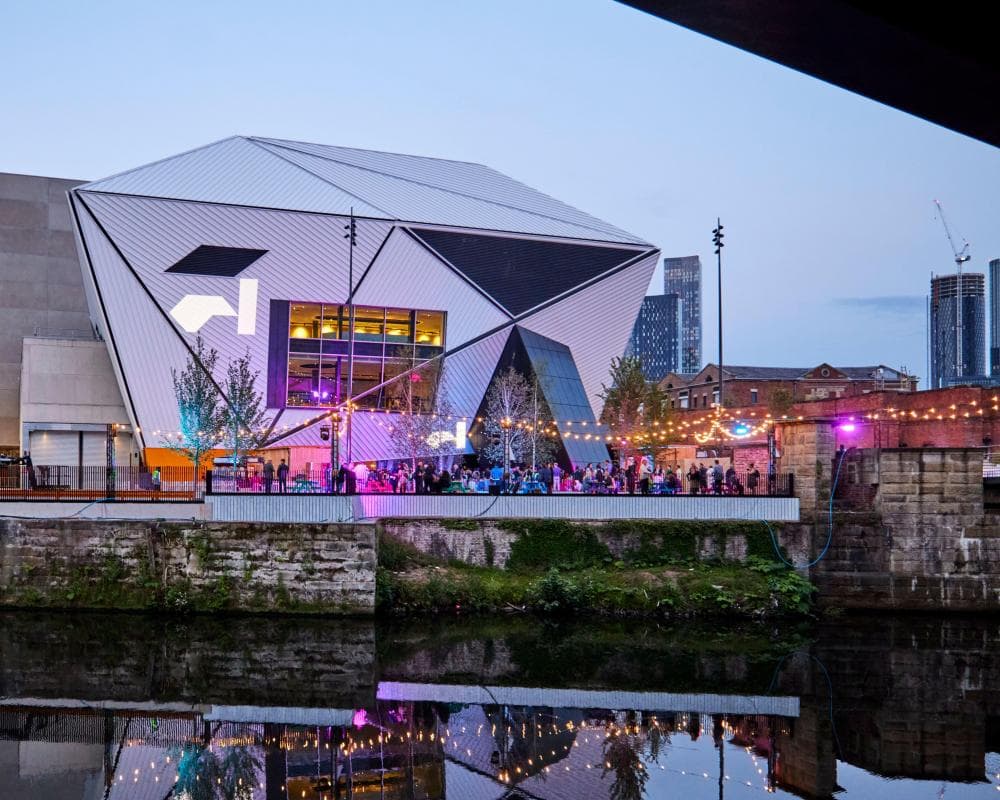
In April 2023, Manchester became the first place in the UK to introduce an overnight visitor levy, charging £1 per room per night in the city centre. A study published in the journal Tourism Management in 2025 found that the tax had had “no significant impact” on the occupancy of hotels in the city.
In sharp contrast to the vocal opposition of national trade bodies, in Manchester it was hospitality businesses that introduced the levy through a business improvement district.
Local leaders say the £1-a-night levy has raised £10.5m in its first three years of operation, with the revenue ringfenced for cultural projects such as the Brit awards and Mobo awards, both hosted in Manchester this year.
When Labour MPs visit Liverpool for their party conference later this month, they too will be paying a tourist tax: a £2-a-night charge was introduced by its hospitality firms last June, raising more than £2m for projects in sports, culture and conferencing.
Councils in Scotland already have the power to introduce local overnight levies, with Wales following suit next April.
Only Edinburgh has taken the plunge so far, introducing a 5% tourist tax on 24 July, although Cardiff, Glasgow and three other regions of Scotland are expected to follow next year.
Allen Simpson, chief executive of UKHospitality, said on Thursday that Edinburgh’s new charge was “already having damaging effects” on the city.
However, Edinburgh Tourism Action Group, which represents the city’s tourism industry, told the Guardian it was “too early to draw any meaningful conclusions” on its impact. It said many of the cities that had adopted the scheme, including Manchester, had “not experienced a decline in visitor numbers” as a result.
While there is little detailed international research on the economic impact of tourist taxes, a study by Bangor University in Wales in 2024 found no evidence to suggest they deter visitors.
Researchers found they had been introduced in 125 destinations and 26 countries across Europe by 2019, with exceptions mainly in the Nordics and Baltic region. The modest nightly charges were being used to fund hundreds of millions of pounds worth of public projects, they found.
In the Balaeric Islands, for example, the tourism tax had funded €263m (£226m) worth of projects since 2016, including social housing and scientific research.
Zoë Billingham, the chief executive of IPPR North, a thinktank which has campaigned for a tourist tax, said it was wrong to assume that the entire hospitality industry was against the move, pointing to Manchester and Liverpool, where local businesses led the charge.
She added: “With climate change and other uncertainties in the world, I would expect visitor numbers in the UK to increase – that’s not just domestic holidays, but also people from other countries coming here. This is a real way to share in the benefits of tourism growth in this country.”
Henri Murison, chief executive of the business lobby group Northern Powerhouse Partnership, said there was little evidence tourists would be put off by an extra few pounds on their hotel bill.
“The current system, where all the tax paid by businesses goes to central government and none of it benefits the destination, is wrong. It’s just wrong,” he said.