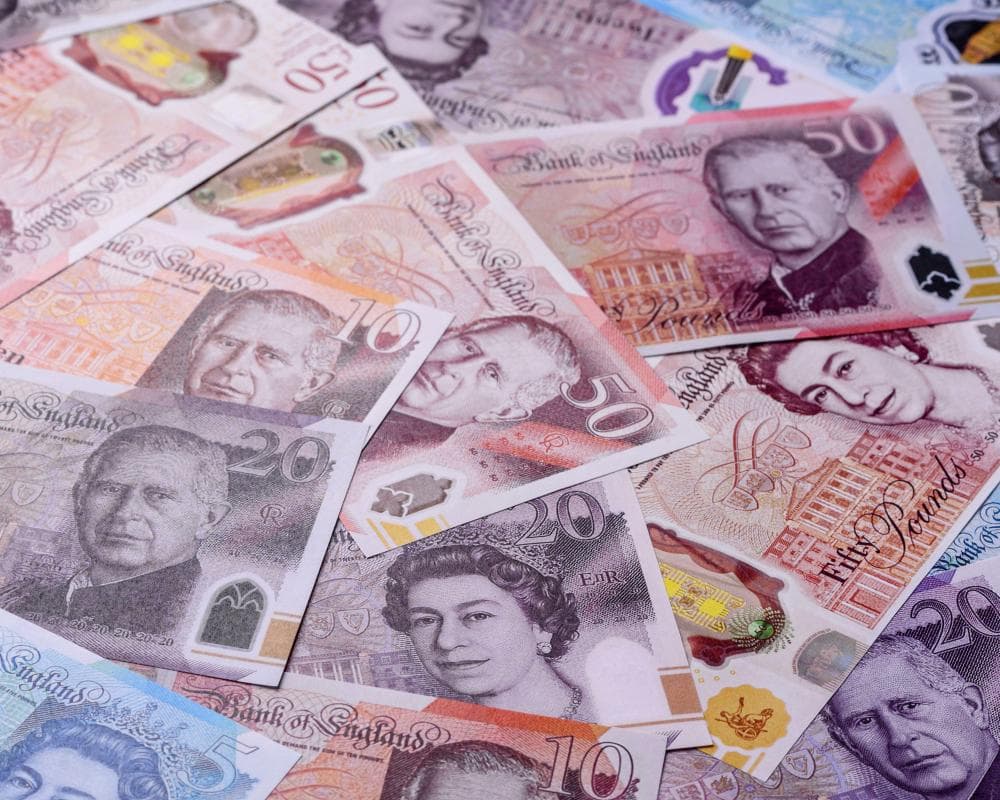
There are increasing calls for a windfall tax on banks (Taxing the banks: what Europe’s windfall levies brought in as Burnham eyes his next move, 2 September). Such a tax is unnecessary; it would be enough simply to stop paying commercial banks a huge existing subsidy. The Bank of England holds the reserve deposits of the commercial banks and pays its policy interest rate on the entirety of those reserves. Paying 3.75% on about £640bn means handing over £24bn a year of public money to profitable commercial concerns. The Bank does so only to control the banks’ lending rates by establishing a floor.
Yet that could be done more economically by paying interest on a marginal slice of the reserves. The Bank could announce a tranche for each bank and declare that any reduction in reserves from that level is counted as coming firstly from the interest-bearing tranche. That keeps the same marginal opportunity cost to the banks and ensures interest-rate policy is effective. If the tranche were 20%, there would be a gross saving of more than £19bn a year.
In all its long history before 2006, the Bank of England never paid commercial banks anything on reserves. And when raising interest rates, it generally increases banks’ profits anyway, by allowing them to charge customers more than they could under unrestricted competition. To increase that effect by paying out more public money than is required for policy purposes is extravagant. It reveals an irresponsible attitude to public finances.
Gerald Holtham
London
• Have an opinion on anything you’ve read in the Guardian today? Please email us your letter and it will be considered for publication in our letters section.