Large and beautiful butterflies attract far more attention than species that are smaller and dull. Now a new study has shown that this bias towards beauty results in the boring butterflies being overlooked in conservation programmes.
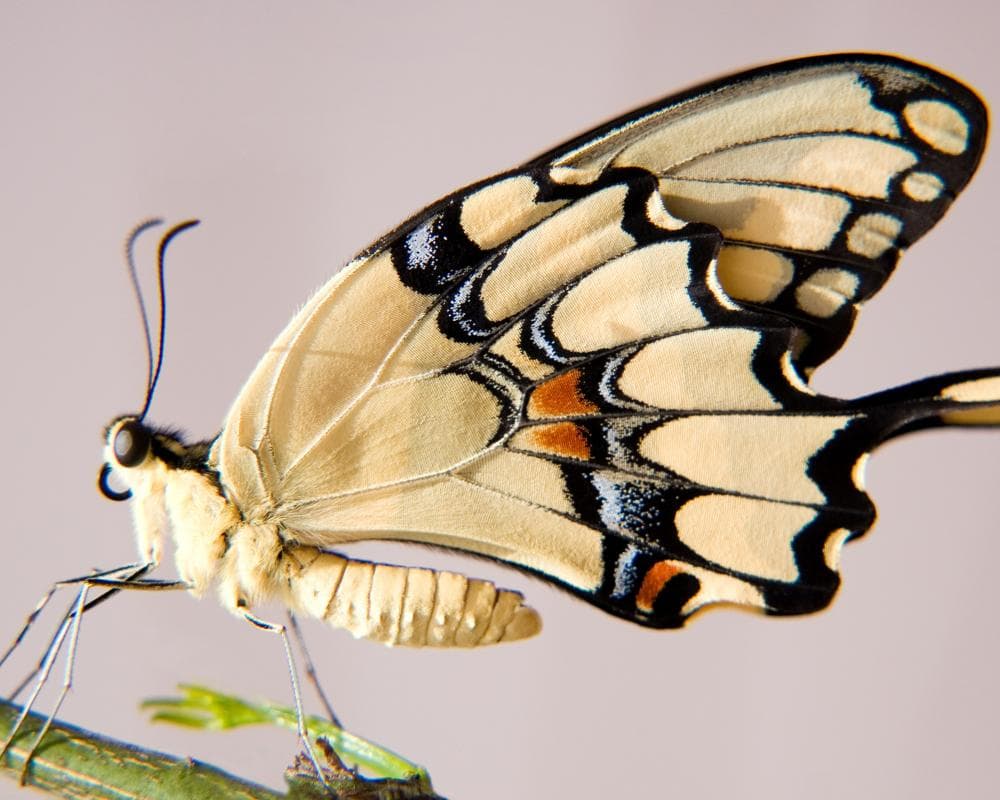
To understand the link between beauty and conservation, researchers surveyed more than 21,000 people from more than 100 countries, asking them to look at photos of European butterflies and rate their beauty on a scale of 1 to 10 based on their first impression. The results, which are published in Current Biology, reveal that larger more colourful and patterned butterflies, like the yellow swallowtail, were consistently rated more attractive than the smaller, less conspicuous brownish species, such as the alpine grayling. That bias also extended into scientific research, with more studies on attractive species, and more funding and resource going into conservation of showier species.
By contrast, national and European red lists, which are based on fixed measurement criteria, do not exhibit the beauty bias. In fact, the most recent lists show that many of the small, brown, less attractive species are facing the greatest threat from climate breakdown.
The authors argue that nature conservation programmes need to recognise the beauty bias and give greater consideration to inconspicuous butterflies, which, while not as showy, play equally important functions within ecosystems.