Each week the Filter newsletter cuts through the noise to bring you smart, practical recommendations on how to live better – from what is worth buying to the tools, habits and ideas that actually last.
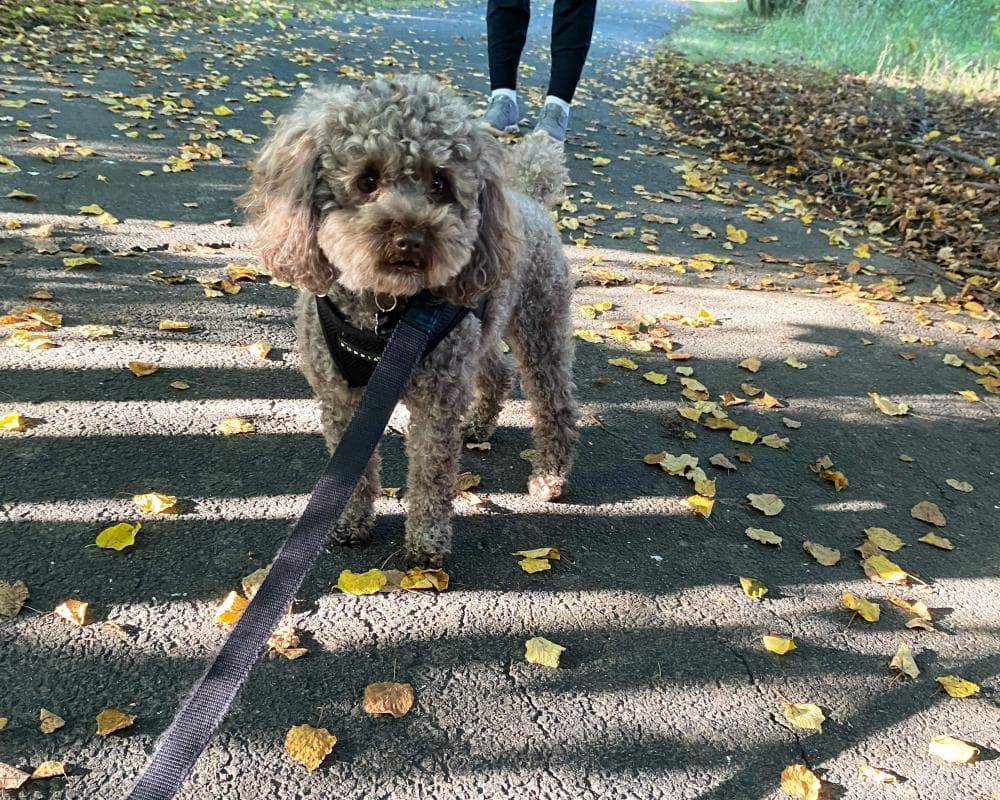
My family dog, Cocoa, calls the shots.
He treats his daily walks as a game of “choose-your-own-adventure”, either dragging one of us along for an impromptu five-mile speed workout or pulling us back home after five minutes of sniffing one particular maple tree.
While there’s no debating that walking your dog is crucial for its health, many owners (me included) aren’t doing so properly. As Filter contributor Tim Stevens reported this week in our comprehensive guide to keeping your best bud engaged and fulfilled: “A dog who gets too little attention and exercise or, on the flip side, is over-stimulated or over-tired, can be a real problem.” He shared the best expert-vetted products to enrich your dog’s life, from bacon-scented toys to Frisbees.
Hartz DuraPlay Bacon Scented Dog Toys
Hartz DuraPlay Bacon Scented Dog Toys none-selected
Kong Flyer
Kong Flyer none-selected
Read the story: Your dog is bored. Here are the best tools, toys, and tips in the US to keep them enriched
For guidance on how to improve Cocoa’s walks, I interviewed Dr Candace Croney, director of Purdue University’s Center for Animal Welfare Science, and a professional dog trainer, Jas Kelem.
• More of a cat person? Check out our tips for taking a cat on a neighborhood stroll: ‘The leash is his best friend’: how (and why) I walk my cat outside like a dog
***
Set a goal
Identify a walk’s purpose before leaving the house, suggests Croney. This could be anything from exercise to mental stimulation, she says.
Maybe your intention is for your dog to pee before a storm rolls in, but ideally, this goal keeps your dog’s needs in mind, too. “We sometimes take them for walks having expectations of what we want to happen, and we don’t think about what’s happening on the other end of the leash,” she says.
***
Don’t pull
“People actually put a lot of pressure on their dog’s necks. That really is not good for them,” says Croney.
Instead, try “loose leash walking”, when neither you nor your dog pulls on the lead.
And resist the urge to yank your dog away from sniffing its 30th mailbox – especially if the walk’s purpose is mental stimulation. “Those walks are some of the most important opportunities they get to understand who’s in the neighborhood,” Croney says. The world of smell is probably so vibrant to them that they have to stop and check things out constantly.”
Read more: The best dog harnesses in the US: six pup-tested favorites for walks, car rides and adventures
***
Quality over quantity
As Stevens wrote in his story, “There’s no one-size-fits-all solution for keeping dogs active, happy and healthy.” This is especially true of walks.
“I would suggest dog owners pay attention to how fulfilling the walk is rather than length or frequency,” advises Kelem. Croney agrees: “It really depends on your dog and the individual dog’s needs for exercise and for mental stimulation.”
***
Pack rewards
“Make sure you have high-value treats that you reserve only for unexpected or hard, challenging situations your dogs are going to encounter,” Croney advises.
Kelem also says that owners should “carry food or treats on walks and reward your dog for good behavior before they’ve done something wrong”.
If you’re in need of a vessel for carrying treats, Stevens recommended this pouch.
Gobeigo 4 Cup Dog Treat Pouch
Gobeigo 4-Cup Dog Treat Pouch none-selected
Back at home? The best dog beds in the US: seven furry-friend tested and approved favorites for indoors and out