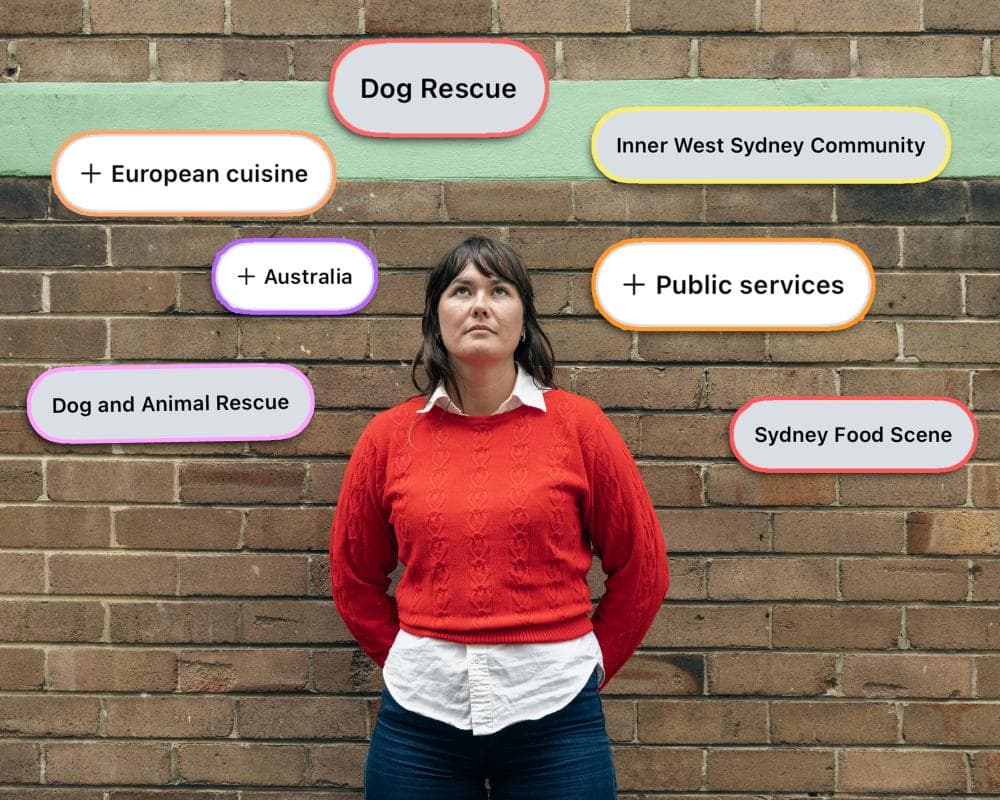
I have a confession. I love my social media algorithm. It is a perfectly curated window into my insane and inquiring mind. It knows precisely which videos will tickle me and which memes will gently distract me from the slow collapse of humankind.
On Tuesday the Australian government announced “world-leading” reforms that would force social media platforms to allow users to opt-out of algorithms, dubbed “my feed, my way”. On the same day, I was delighted to be confronted with a video on Instagram of a woman accidentally spilling a bucket of eels on a Chinese train. Dozens of eels slithered among the passengers, who appeared not as surprised as I would have expected.
In bed that night, after sending the video to several friends and watching it multiple times, I lamented to my partner how I would find content like this if my accounts weren’t at the whim of the algorithm gods. “You can still search for eels,” he said. But would it be the same?
Related: Labor wants Australians to be able to opt out of online algorithms. How will it change your feed?
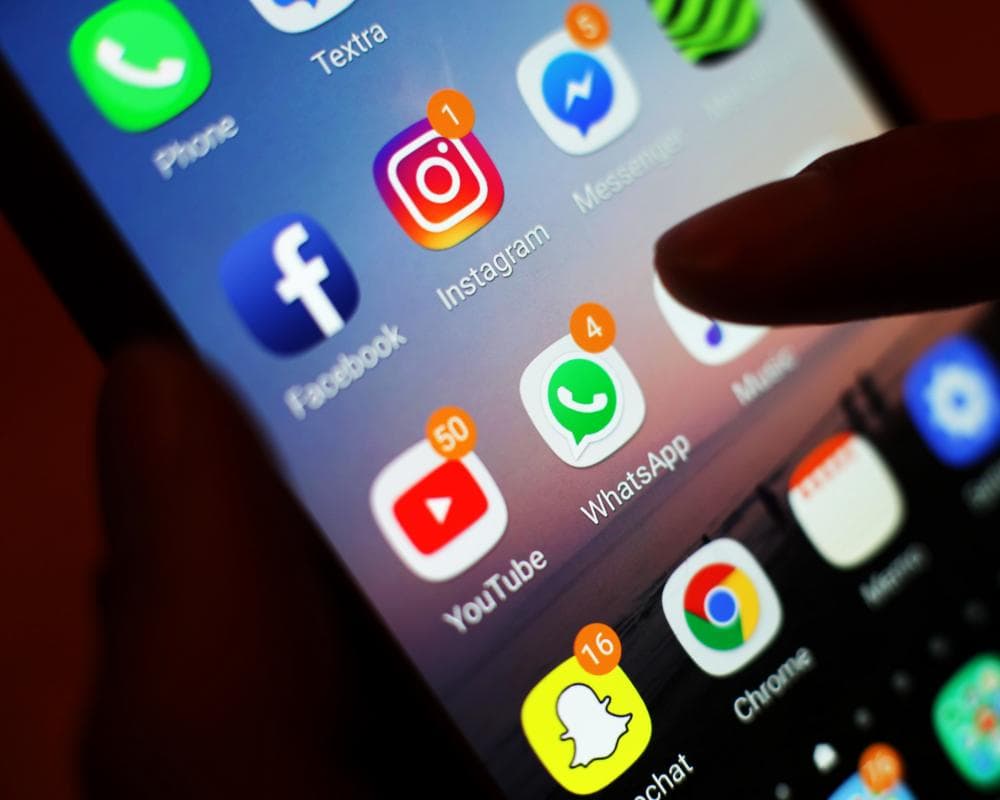
So, for 24 hours, I decided to manually turn off my algorithm via little-known settings on Instagram to get a sense of how the reforms might change my feed. This feature allows you to limit your feed to posts from accounts you are following, in chronological order. This is basically what social media feeds, including Facebook, looked like when they first started.
Would I be thrust back into the old days of social media, to how things were before artificial intelligence and Elon Musk bought Twitter and everything became an ad?
As a reminder of how things used to be, I scroll back to my first posts on Instagram and find sepia-heavy pictures of trees, gigs and friends. “The SKY,” says one, simply showing a sunset.
I am gripped with nostalgia for 2012, when all my posts got eight likes and no comments and I only followed two dozen close friends from school.
For a truly “authentic” social media experience, I trawl through my contacts and unfollow any account that isn’t a person I have met in real life. It is refreshing to unfollow news accounts, and politicians, but sad to let go of funny influencers and meme accounts and chefs.
“Goodbye, Ottolenghi,” I think wistfully. “Farewell, woman from Dallas Cowboys cheerleaders”. In total, about 100 accounts get the axe. I refresh my feed, and it only takes about 10 minutes of scrolling to run out of content to look at.
For the first time in years, Instagram informs me I have reached the “End of following”. “There are no more posts from accounts that you follow from the past 30 days,” it says.
I am floored and unmoored. Each time I refresh my feed for the next few hours, there is nothing new for me to mindlessly scroll. Instinctively, I keep clicking on the app, but it’s futile. Is this how social media used to be? A tool to communicate with people rather than a way to remain constantly distracted?
What disturbs me, though, scrolling through a feed that should theoretically be made up of friends and family updating me on nice moments in their lives, is that it still feels hollow and impersonal.
Mostly, people are using it for self-promotion, whether it be posting about something they’ve published, projects they’ve done, brand partnerships or attempts to “go viral”. The only ones who seem to be using social media like it used to be is my mum and her friends, who still upload happy snaps with abandon. This is soothing, but also very boring. And do I really need to know or care that someone I met backpacking in 2015 is appearing at an art festival in Amsterdam?
During my lunch break, instead of hitting the apps, I read my book and look at my surroundings. It’s nice. Maybe the solution is not to opt out of algorithms, but to opt out of social media altogether.
The justification for turning off algorithm-driven content makes sense. The federal government, and many experts, have raised concerns over how dangerous and divisive content can be pushed into peoples’ feeds, drawing them further and further into rabbit holes.
I have watched on with concern as figures from the “manosphere” gain traction across the world alongside the rise of far-right parties, and how thinness appears to be the new norm in Hollywood, with eating disorder content proliferating on X, TikTok and Instagram.
Thankfully, this has not been my social media experience. According to Instagram’s AI summary of my algorithm, a little-known feature of the app, I enjoy “community events” and “saving furry friends”, with a particular penchant for content related to the “Sydney food scene” and, somewhat vaguely, “Australia” (click on the reels icon and then the double-heart symbol in the top-right corner to see yours).
My “For You” page is a haphazard collection of animals, food and gossip about reality TV. The top posts are an old man who summarises the latest episodes of Below Deck Mediterranean, a Dachshund being pet with a spatula and someone making a cake with the face of Edward Cullen. It knows me so well!
But is this healthy? Do I really need to spend my time watching AI-generated dogs dancing in the shower, or marvelling at a man attempting to eat an extremely gigantic cone of soft serve ice cream? After 24 hours switching off, my conclusion? It’s numbing my brain and turning my own thoughts into slop.