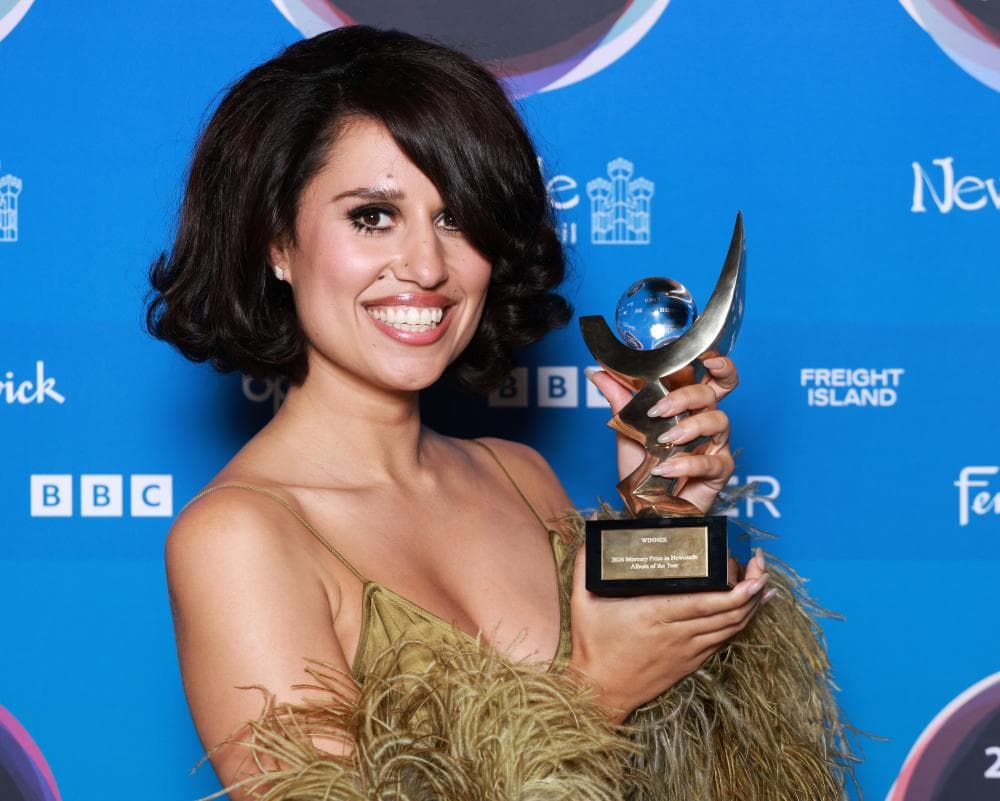
It was generally agreed that last year’s Mercury prize ceremony was a vast improvement on its predecessor. In fairness, the bar was set pretty low: hosted without an audience – or indeed a corporate sponsor – in what looked like a broom cupboard at Abbey Road, the 2024 Mercury prize seemed to suggest the whole jig was up.
Instead, the event was relocated to Newcastle’s Utilita Arena, the general public rather than record label grandees provided the audience, and something approaching a sense of genuine excitement attended the event.
And yet somehow, said excitement didn’t sustain. The announcement of this year’s nominees seemed to be greeted with something approaching a shrug: a smattering of headlines noting that Paul McCartney had been nominated for the first time, aged 84, and that was about it.
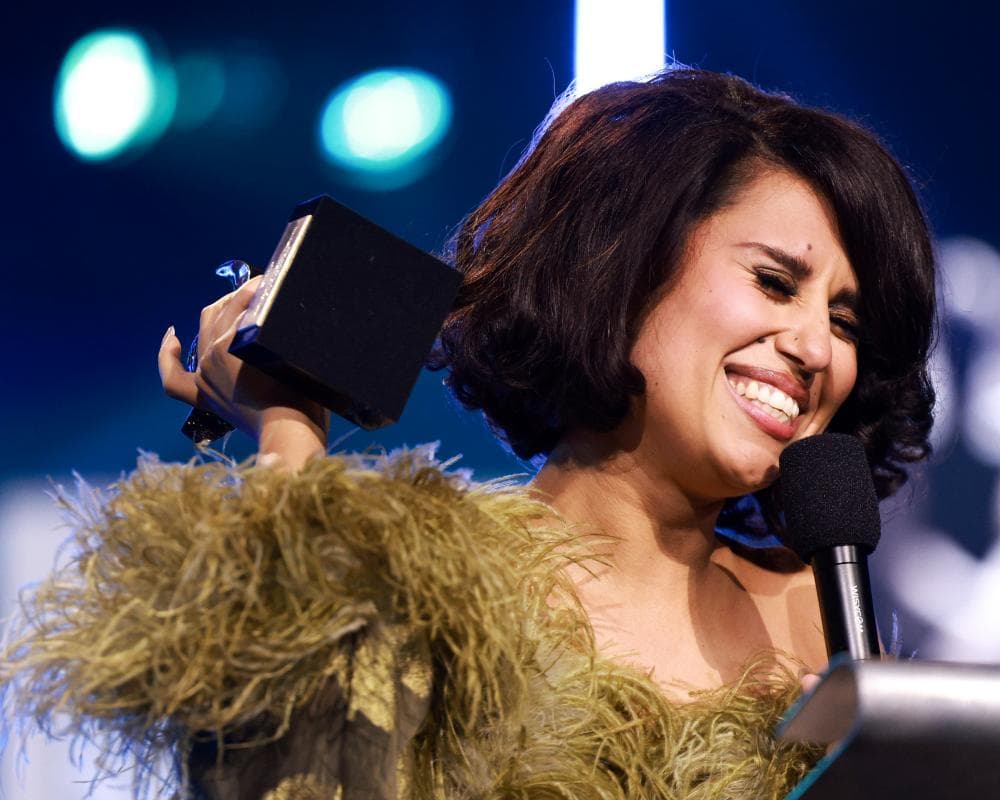
Related: Raye wins 2026 Mercury prize for This Music May Contain Hope
You wonder what the problem is. Not the albums nominated, all of which had plenty to commend them, from the punk-y “Geordie noir” jazz of Knats’ A Great Day in Newcastle, to the appealingly off-message take on pop proffered by former Little Mix star Jade on her solo debut, That’s Showbiz Baby!
Perhaps the Mercury shot themselves in the foot by giving the 2025 award to local boy Sam Fender’s People Watching, an album that’s exceptionally good, but was already hugely successful, clearly not in need of any kind of profile or sales boost (Fender gave his prize money away to the Music Venue Trust).
That People Watching actually won the Mercury is easy to forget, a minor consideration lost amid its platinum sales figures and string of hit singles, one of which went on to spend nearly six months at No 1.
Perhaps people are just losing interest in albums in an age defined by streaming, a means of distribution that privileges single tracks and playlists? More than half of the 40 biggest-selling albums of 2026 thus far are either greatest hits collections or longstanding back catalogue classics; that chart contains only seven albums that actually came out this year, which hardly suggests a widespread hunger for new releases in the format.
One of those, though, was Raye’s This Music May Contain Hope, the winner of this year’s Mercury. It was an album that spawned a single huge hit single – the retro soul of Where Is My Husband! – but that nevertheless made spawning a huge hit single seem beside the point: 73 minutes and 17 tracks long, divided into four sections, it’s an album that flies in the face of the suggestion that no one really listens to albums from soup to nuts any more.
Its saga of romantic despair, which stylistically leaps from soul to swing to house music to 50s easy listening schmaltz, is clearly intended to be consumed in toto.
Not everything the singer-songwriter tries over its lengthy course works. Fabulous songs – The WhatsApp Shakespeare, Beware.. The South London Lover Boy, the Hans Zimmer-assisted Click Clack Symphony – coexist with moments where it slips into self-indulgence: Fields offers a lengthy dialogue between the singer and her grandad, and the closing track, Fin, lasts six minutes, four of which consist of Raye reading out the album’s production credits.
Still, the highlights are hugely impressive, and there’s something to be said for the degree of risk-taking involved, given the risk-averse tenor of the times.
Related: Raye: This Music May Contain Hope review – a wildly ambitious epic of unbridled self-expression
Moreover, choosing it as the Mercury winner sends out a defensive signal. This is what an award that has occasionally seemed surplus to requirements now exists in order to celebrate: the grand statement, the right for artists to indulge themselves at length in a climate that favours short and sharp releases.
But after two years in a row of awarding No 1 hit albums, in future will the judging panel see fit to award grand statements from underground artists too, or only to A-listers?