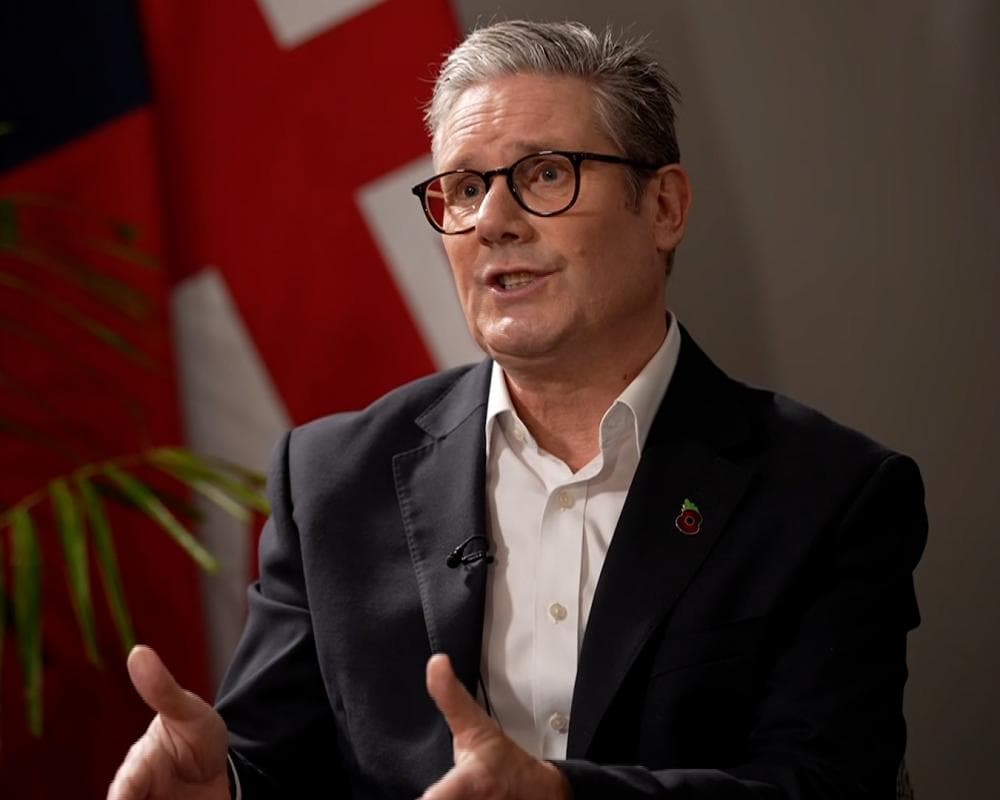
Zoe Williams may be right to describe Keir Starmer as a poor politician, but what did we expect (Farewell Keir Starmer, a terrible politician whom we desperately wanted to be something more, 2 September)? After 14 years of economic stagnation and a succession of career politicians as prime minister, we had a leader who previously had a proper job and career outside politics. Starmer’s legacy might be to demonstrate why we need to invest in a better cadre of skilled professional politicians.
Those still pining for Starmer may remind us of achievements such as removing the two-child limit on universal benefit, more free school meals, Best Start family hubs, greater employment rights, increases in the minimum wage, renters’ rights, more GPs, lower waiting lists, the Hillsborough law, better relations with Europe etc. But they shouldn’t bother – no one was listening then, and they certainly aren’t now.
However, history might record his period in office as the first time the cabinet were nearly all state-educated – a massive achievement, for which he deserves our gratitude.
Warren Brown
Ilkley, West Yorkshire
• Zoe Williams rightly highlights the deep disappointment many people feel about Keir Starmer’s political legacy. For a politician who promised principle and integrity, he too often appeared willing to abandon commitments when they became politically inconvenient.
His stance on Israel’s war in Gaza remains one of the clearest examples. Rather than showing moral leadership and clearly condemning the suffering of Palestinian civilians, Starmer seemed reluctant to challenge Israel’s actions, leaving many questioning where his principles truly lay.
Equally troubling was his approach to criticism. Many longstanding Labour supporters, including elderly members who opposed the war, felt ignored or dismissed. Leadership requires engagement with dissent, not contempt for it.
Starmer also struggled to connect with the public. In an age that values truth and conviction, he often appeared scripted and detached. It frequently felt as though he was delivering the conclusions of advisers rather than expressing his own beliefs.
Beyond returning Labour to government, it is difficult to identify a lasting achievement. He may ultimately be remembered not as a leader, but as a manager of other people’s ideas.
Stuart Finegan
Lewes, East Sussex
• Have an opinion on anything you’ve read in the Guardian today? Please email us your letter and it will be considered for publication in our letters section.