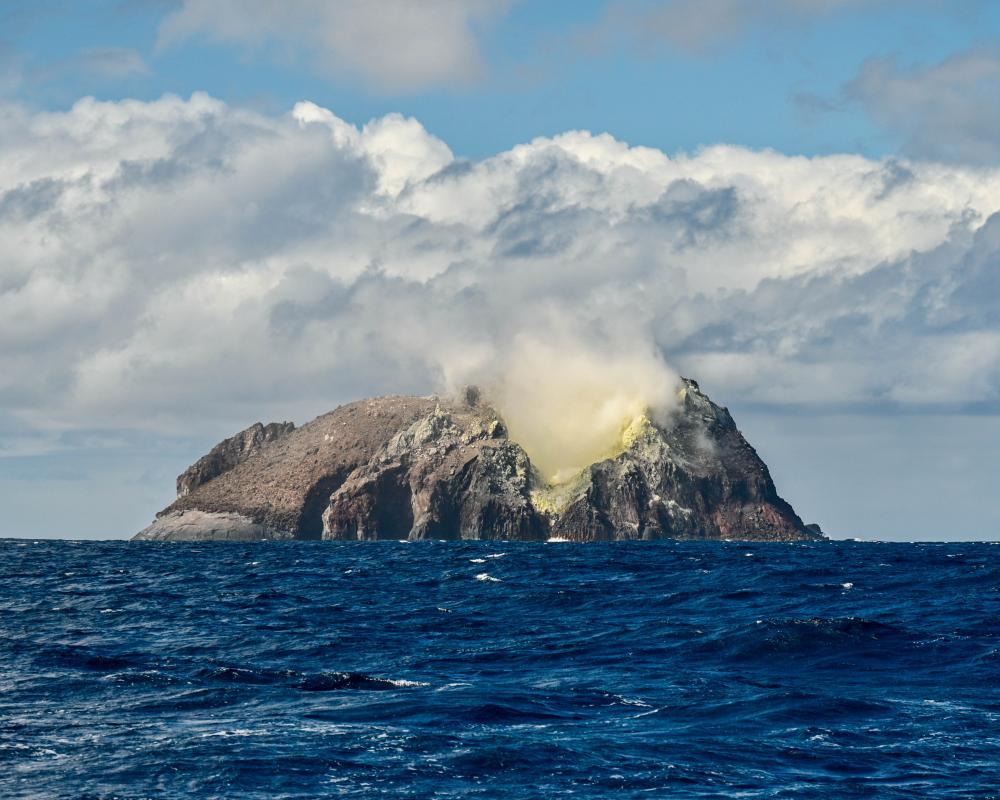
Two tiny specks of volcanic land in the vast Pacific Ocean – home to seabirds and not much else – are at the centre of an escalating territorial battle between France and Vanuatu.
The decades-long dispute over the Matthew and Hunter islands has entered a new phase, with Vanuatu launching two separate international legal proceedings against France as part of its attempt to claim these Pacific territories. Arbitration proceedings began last month, which could threaten France’s claim to a vast expanse of the ocean surrounding the islands.
At stake is an exclusive economic zone of roughly 350,000 sq km – almost the size of Germany – and the valuable fisheries and underwater resources stored within it.
Where are the islands?
The Matthew and Hunter islands – which Vanuatu calls Umaenupne and Umaeneg or Leka – are located east of Australia in the Pacific Ocean, just south of Vanuatu. Together, the two islands cover just 1.3 sq km and are uninhabited.
France claims the islands and the waters surrounding them as part of New Caledonia, a French Pacific territory, while Vanuatu argues they belong to its southernmost island communities, whose Indigenous people have maintained cultural and customary connections to the islands for centuries.
The waters surrounding the islands could also hold enormous economic value, according to Donald Rothwell, distinguished professor of international law at the Australian National University.
“The maritime entitlements and the resource sovereignty that goes with those islands would far outstrip the land value,” Rothwell said.
These “maritime entitlements” – currently claimed by France – include the exclusive economic zone of around the islands which gives potential access to valuable fisheries and seabed resources.
What is France’s history in the Pacific and what territories does it have there?
In the Pacific, France administers three territories – New Caledonia, French Polynesia, and Wallis and Futuna.
Vanuatu was jointly administered by France and Britain until gaining independence in 1980. Even then, Paris and London argued over who owned Matthew and Hunter Islands.
Since independence, Vanuatu has asserted its own claim, citing centuries of Indigenous cultural and economic ties to the islands. France meanwhile regularly conducts military expeditions there, and even established a meteorological facility on the islands.
Diplomatic efforts to resolve the disagreement intensified in recent years, including discussions between French president Emmanuel Macron and Vanuatu’s prime minister Jotham Napat in Paris in 2025.
What are the legal cases and what comes next?
Vanuatu has launched two separate legal proceedings against France: in August, the country filed an application with the International Court of Justice (ICJ), asking it to recognise its sovereignty over the islands. Butthe case cannot proceed unless France agrees to participate.
Last month Vanuatu also launched separate arbitration proceedings against Paris under the UN Convention on the Law of the Sea (Unclos).
The legal action under Unclos could dramatically diminish the value of the islands, as Vanuatu is arguing they are not technically islands but merely rocks incapable of sustaining human life. Under international law, such rocks are entitled to just 12 nautical miles of territorial sea, a fraction of the territory France currently claims for fishing and resources around the islands.
How do France and Vanuatu justify their claims?
Vanutau’s deputy prime minister Johnny Koanapo said the ICJ application filed in August is Paris’s “opportunity to demonstrate that France’s commitment to rules-based order is more than just rhetoric.”
“The islands have always been part of our history from time immemorial, before even the arrival of the colonial powers in Vanuatu,” Koanapo said.
He said securing sovereignty over the islands would mark “the completion of Vanuatu decolonisation”.
“We got our independence, but we have not gotten our entire territorial integrity back.”
France has consistently maintained that Matthew and Hunter are part of its territory, rejecting suggestions it should relinquish sovereignty over the islands.
In February the French foreign ministry said the long-running dispute had prevented the two countries from establishing a maritime boundary and created legal uncertainties affecting fishing and scientific research.
The Guardian sought comment from the governments of France and New Caledonia for this article, but neither responded before publication.
What has the reaction been elsewhere in the Pacific?
Rothwell sees the dispute between Vanuatu and France as part a growing trend among Pacific island nations to challenge powerful countries in the courts.
“We’re seeing a much more assertive position being taken by small island states, in the Pacific in particular,” he said, pointing to Vanuatu’s successful campaign for a landmark ICJ advisory opinion on climate change.
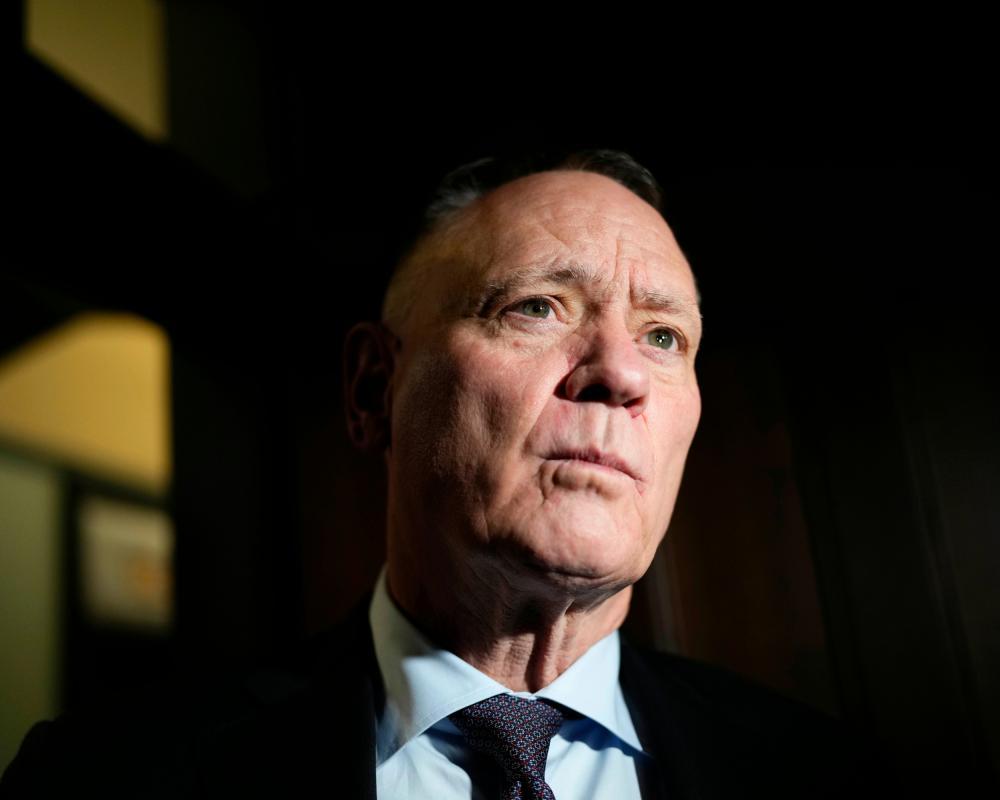
But the claim has drawn criticism from pro-Paris politicians in New Caledonia. Nicolas Metzdorf, one of New Caledonia’s two representatives in France’s national assembly, dismissed the prospect of an international legal ruling on the islands’ sovereignty.
“I don’t really care about what the international organisation would say,” he said. “I defend my country’s interests.”
Vanuatu’s claim over the islands has also long been supported by New Caledonia’s indigenous Kanak independence movement, which has sought independence from France for decades.