Prue Leith says one of her greatest regrets is not having made time for friendship. A happy marriage and demanding work meant she neglected other connections, she said in a recent interview; then “When he died, I thought, ‘Oops!’” Her memoir urges younger women not to make the same mistakes.
She is partly preaching to the choir, I think. Disillusioned by romance, many young women are prioritising friendship. Recent gen Z television – It Gets Worse, Adults, I Love LA – makes friendship its central drama. And problem pages, first-person essays and analyses of friendship break-ups treat it with an intensity usually devoted to romantic partnerships (platonic best friends who get married are a particularly extreme example). But there’s another current. For all we hear about the male loneliness epidemic, women are feeling it, too: the Belonging Forum found in 2025 that 49% of 18- to 24-year-old women feel lonely some or all the time.
Related: Gen X is in worse health than boomers – and I have a few theories as to why | Emma Beddington
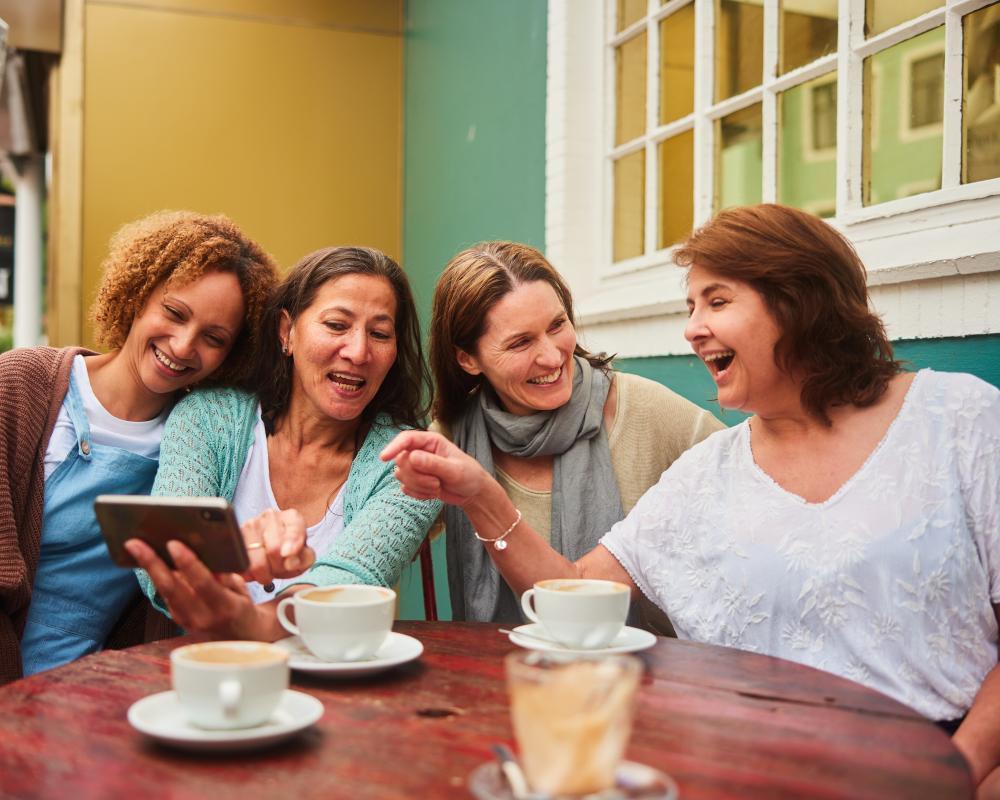
I was lonely and Leith-like myself for years, but more recently I’ve found real joy in friendships, largely because I’ve let go of romantic expectations of what those relationships should be. When I was younger, I expected the heady intensity of a love affair from my friends: the “we just clicked” or “undeniable chemistry”. I worried I wasn’t enough, looked insecurely at their other friendships, felt euphoric when we connected intensely and crushed when a meet-up was cancelled or fell a bit flat.
I’ve gradually learned to worry less about being a disappointment (I definitely will be sometimes) and don’t feel I have to scintillate every second. We can have a quick, cheap coffee; an evening where we’re both knackered and sit in silence looking at our phones; even a disagreement without it being a drama. I don’t need my friends to amuse, charm or seduce me every instant. I just value having them in my life, and realising that has let me trust the same might be true for them.
It has taken ages to get here; more emotionally evolved people grasp this truth much sooner. But for me (and maybe for Leith), it’s better – way better – late than never.
• Emma Beddington is a Guardian columnist
• Do you have an opinion on the issues raised in this article? If you would like to submit a response of up to 300 words by email to be considered for publication in our letters section, please click here