I haven’t always been afraid of the dentist. If you had asked me a decade ago whether sitting in the dentist’s chair filled me with dread or made me break out in a cold sweat, I would have laughed and said no – what is there to be afraid of? It was only in 2021, after I had a filling without being properly numbed, that I understood why people are afraid of dental work. Despite telling him I was in excruciating pain, the dentist carried on with the procedure anyway, and I was left with a newfound and deep-seated fear.
At first, this was easily managed. I simply binned the reminders to book checkups, avoided their calls and carried on with my life. After a year, I told myself I’d see the dentist soon – just not yet. I firmly shoved the problem to the back of my mind.
However, as time passed, I began to feel a creeping sense of shame. I bristled each time a friend talked about a dentist visit, convinced that they could sense I had not been in several years. I kept my dentist-dodging a secret and became increasingly ashamed of myself – I felt weak and childlike, incapable of a normal adult responsibility. But no matter how hard I tried, I could not bring myself to go.
My avoidance came to a head one day in 2025. I noticed that whenever I ate something sweet, I had a sudden toothache. After a few weeks of panicking, I finally admitted my fears to a friend. They recommended a private practice in Shoreditch, London, that had helped them with dental anxiety. After reading its webpage, which assured a stress-free process for scared patients, I nervously booked an appointment.
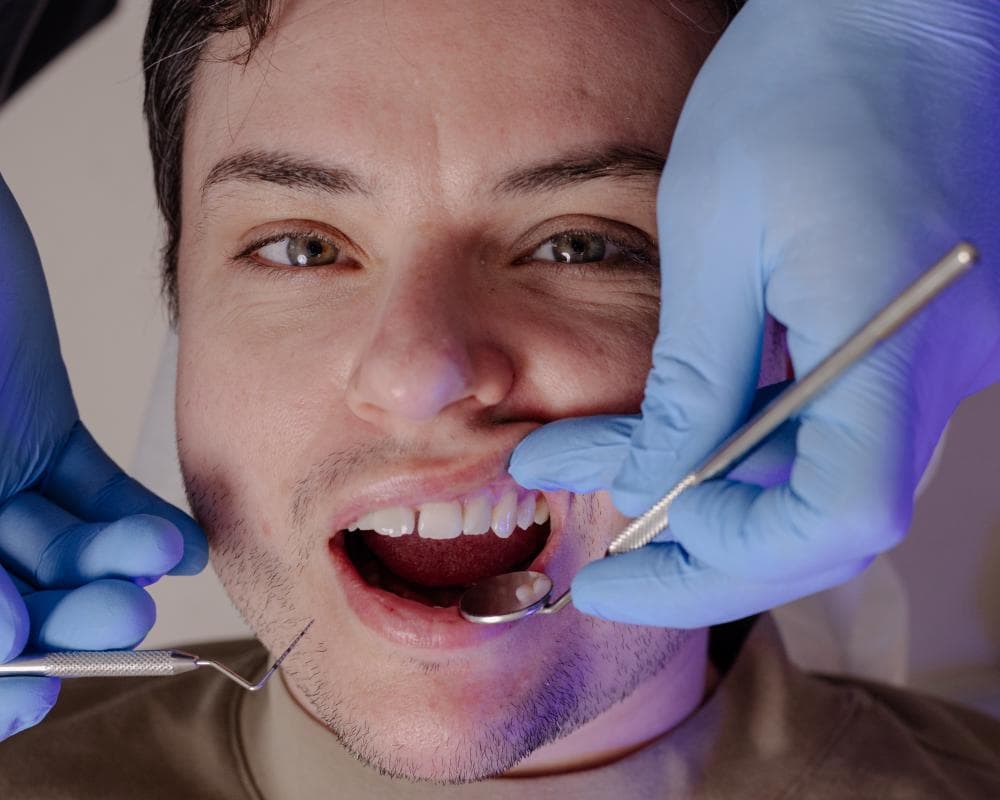
When I arrived at the clinic a few days later, my hands were clammy and my forehead was covered in a sheen of cold sweat. By the time I went into my appointment, my legs felt like jelly. Before I even sat in the dentist’s chair, I launched into a confession that it had been four years since my last visit and how scared I was of another procedure going wrong.
Instead of telling me off, he immediately understood why I was afraid and reassured me that avoidance was a common response to bad dental work. He explained that his practice had a desensitisation process for anxious patients: instead of starting with invasive treatments, they begin with low-stress procedures, such as cleaning, to build confidence and restore my sense of safety. He also told me that if I ever felt pain during an appointment, he would stop immediately, and that I had nothing to be ashamed of – he was just glad that I had come for a checkup at all.
After examining my teeth, he said that the pain I felt was likely due to a buildup of plaque and I didn’t need a filling. I did need to have my wisdom teeth removed, but as promised, we would build up to that over a year or more to ensure I was comfortable and ready.
We decided to start with a hygienist session where I could pause the cleaning whenever I needed by raising my hand. It felt completely different from the rushed appointments with my previous dentist, who had rarely stopped to ask if I was OK or tell me what he was doing in my mouth. For the first time, I felt in control.
Afterwards, my deep sense of shame about dental care finally started to lift. I began speaking to friends about my fear, and found that some of them secretly avoided dental appointments, too. Many of them told me the same thing – that their embarrassment also made it harder to ask for help.
I now go to the dentist regularly for checkups and hygiene visits, and am beginning to think about wisdom teeth extraction – something that would have been unimaginable a few years ago. I only wish that the desensitisation approach for anxious patients was more readily available in NHS clinics, but for me, overcoming my fear has been worth the cost.
I’ve learned that the time I spent avoiding the dentist wasn’t a personal failure, but a completely natural reaction to a traumatic experience – one that, with the right support, could be overcome.
• Do you have an opinion on the issues raised in this article? If you would like to submit a response of up to 300 words by email to be considered for publication in our letters section, please click here.