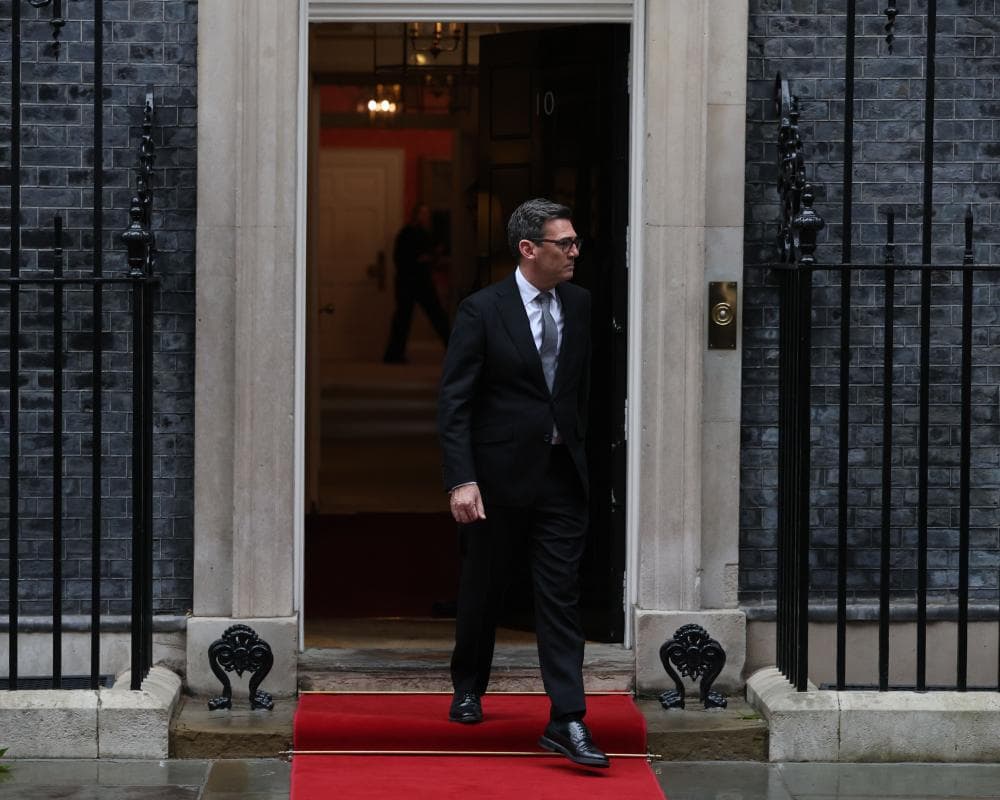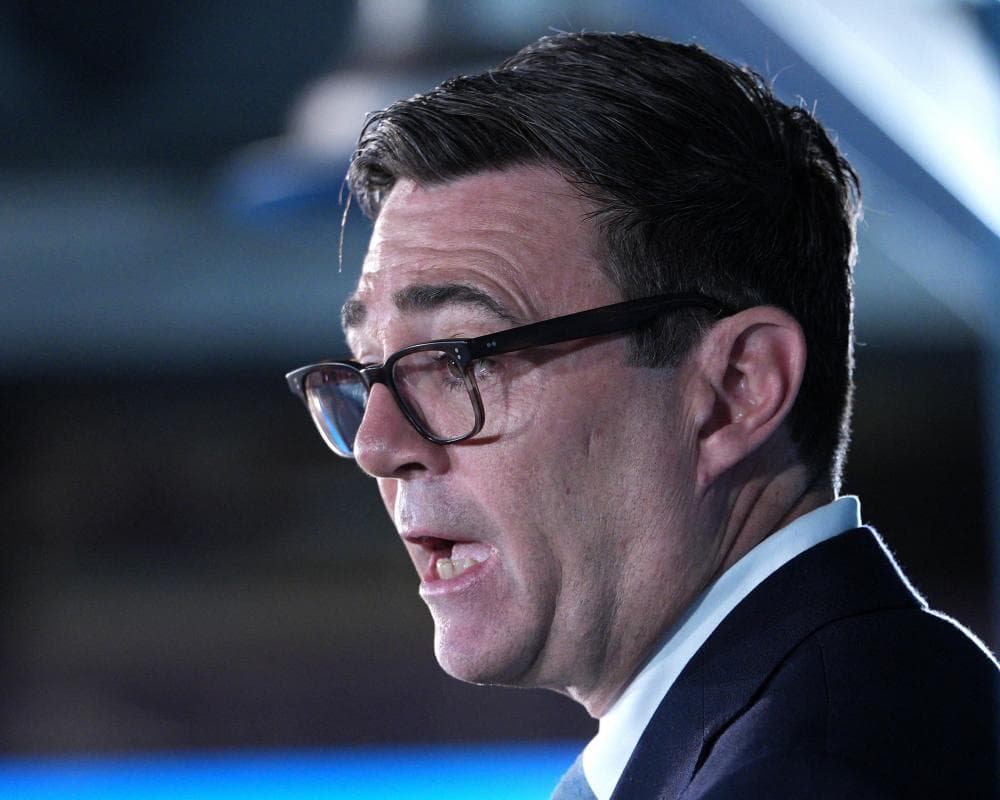
Andy Burnham has said it is clear Russia interfered in the Brexit referendum, after seeking answers on the Kremlin’s involvement in the 2016 vote when he entered Downing Street.
Burnham said he had asked whether Moscow had attempted to influence the referendum and received a confirmation that it had.
Speaking on the podcast The Rest is Politics, Burnham said: “I asked the question coming to Downing Street: well, was there interference in the 2016 referendum from Russia? I’ve had the clear answer that yes, there was.”
Related: We need to stop disinformation in UK political adverts. Here’s a chance to do so
Burnham’s comments mark a significant departure from the position taken by past Conservative governments, which insisted there was no evidence of successful interference by Russia in the referendum vote.
The prime minister did not disclose who had given him the assessment, what evidence it was based on or whether any interference had affected the result of the vote.
A report by parliament’s intelligence and security committee in 2020 criticised the government and intelligence agencies for failing to properly investigate potential Russian interference in the referendum.
The cross-party committee found that ministers had failed to seek a full assessment of Moscow’s activities, despite evidence of attempts to influence British politics through Russian state-backed media outlets and social media accounts.
It said the government had not provided any post-referendum assessment of Russian attempts at interference, in contrast to the investigation undertaken in the US after the 2016 presidential election.
The committee also said that whether a hostile state had sought to influence a democratic process was important regardless of whether those efforts had succeeded.
Burnham said Britain needed to be more open about attempts by hostile states to interfere in its politics, particularly as European leaders grapple with the rise of the far right.
Last month the prime minister attacked Russian information warfare during a speech to the UN general assembly, saying there was evidence Moscow had tried to interfere with the 2019 general election.
Burnham told the podcast: “These things are important now to put clearly on the record and I believe help voters in Germany and France understand that some of this politics is instigated via our enemies, namely Russia.
“I think we’ve been too much on the back foot on that, actually, and we haven’t informed people sufficiently about the extent to which people are seeking to disrupt the political process from overseas.”
He said he had discussed the threat posed by the far-right Alternative für Deutschland (AfD) with the German chancellor, Friedrich Merz, on a visit to Berlin this week. Burnham said Merz raised concerns about the party’s links to Russia.
“One thing I did say to Chancellor Merz … is we need to support you in taking on the threat that you face and particularly the type of politics that you’re facing,” he said. “You know, he was saying to me that the AfD are clearly linked to Russia – funded, I believe.”
He added: “There is certainly misinformation, disinformation, that is emanating from Russia into German politics.”
The UK is developing a new National Centre for Information Defence to detect and disrupt hostile state information campaigns aimed at undermining British democracy. Downing Street said it was working with Germany on a new partnership to counter hybrid threats, including hostile activities that threaten both countries’ security and prosperity.
A spokesperson said: “National security is the first duty of any government – we are focused on ensuring our citizens and our institutions are protected from foreign powers and their proxies seeking to threaten lives and undermine our democratic values.
“We are doing this by strengthening our powers through the National Security Act, strengthening the resilience of our institutions and critical national infrastructure, strengthening our borders, and strengthening our police and intelligence agencies.
“We will continue to leave no stone unturned in our efforts to protect the UK from harm.”
Last month Burnham opened the door to Britain eventually rejoining the EU, saying his government would examine all options for the country’s future relationship with Brussels.