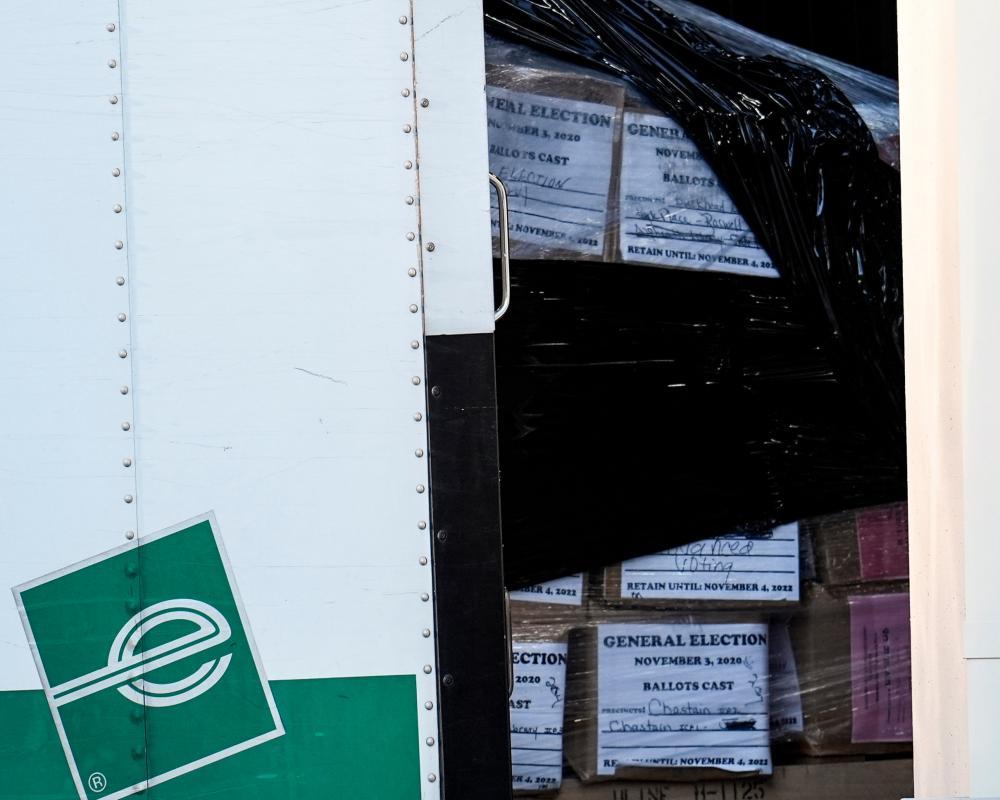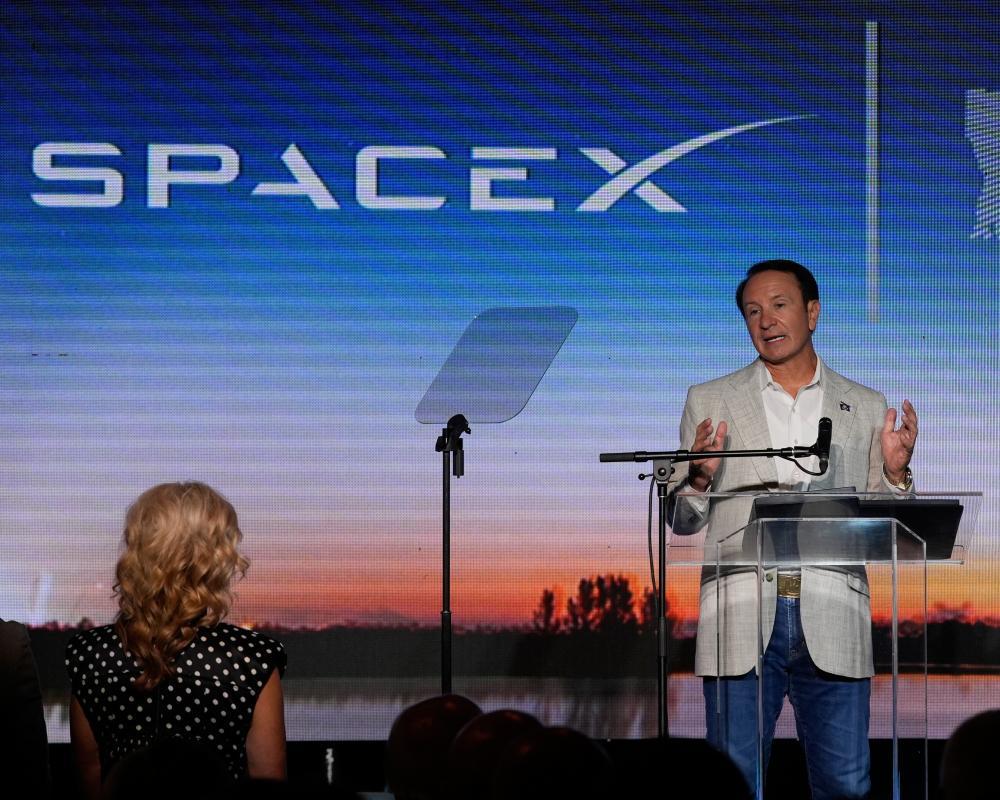
After ending a lawsuit over ExxonMobil’s damage to wetlands, Louisiana officials moved quickly to approve a deal giving SpaceX access to 125,000 acres (50,600 hectares) of marsh formerly owned by the oil company. A new lawsuit now alleges they did so in violation of the state’s open meetings law.
The lawsuit, filed by three south-central Louisiana residents, follows state and Vermilion parish officials’ approval of what is estimated to be a record $27.5bn tax incentive package for SpaceX’s Starbase Louisiana project, announced over the summer. The officials violated the state’s open meetings law eight times while facilitating the agreement in attempts to “keep the public in the dark about what they are doing for SpaceX”, the lawsuit alleges.
Prior to working on the tax abatement for SpaceX, the Vermilion parish industrial development board had not been active for nearly three decades. But in July 2026, the Vermilion parish police jury appointed seven members to the board without advance notice at the same meeting where they approved the ExxonMobil settlement, which wasn’t on the meeting agenda either, according to the lawsuit. The police jury’s legal counsel, Paul Moresi, told WWL Louisiana that the officials deny the allegations in the lawsuit and followed the requirements of the state’s open meetings law.
Related: SpaceX plan for vast rocket launch site on Louisiana coast sparks backlash
The governor’s office then collected all copies of the settlement agreement with ExxonMobil, the details of which still remain unclear, said New Orleans attorney William Most.
“The Vermilion parish government has been violating transparency laws in totally new and unprecedented ways including using code names in public agendas and making sure they don’t keep copies of the contracts they sign so their constituents can’t read them,” Most said. “Transparency is so important because it helps prevent the state from making the same mistakes of the past and letting out-of-state corporations take our resources and hurt our citizens.”
Jackson Voss, the government affairs and policy coordinator for the Alliance for Affordable Energy, said there’s still much unknown about the deals, making it harder to know what the state is getting in return for the loss of tax revenue and potentially further damage to wetlands.
“I think that what we’ve done with this deal is subsidise both ExxonMobil and SpaceX. We’re helping two of the biggest corporations in the world to make even more money than they’re already making,” he said.
SpaceX has told locals that 30 rockets per day could be launched from the spaceport’s 10 launch pads, or about 10,000 launches per year.
Last month, a public research university in the area also entered into an agreement with SpaceX, which would allow the company to further expand the footprint of its 125,000-acre spaceport in the coastal marshlands of Vermilion parish. The University of Louisiana System Board approved the lease of five acres of UL Lafayette property to a non-profit called Ragin’ Cajun Facilities for $1 per year, as well as a sublease agreement to Space Exploration Technologies, or SpaceX.
Local residents have raised concerns about the launch site’s potential to disrupt migratory bird habitat on the cheniere surrounded by fast-eroding marshland. The lawsuit settled by ExxonMobil this summer alleged that the company was partly responsible for the severe land loss in the parish through decades of drilling activities.
Louisiana is experiencing some of the highest rates of relative sea level rise in the world, alongside alarming rates of wetland loss, estimated as a football field every 100 minutes. While the levying of the lower Mississippi River has contributed to much of the land loss in the bayou state, in Vermilion parish, wetland loss was largely caused by oil and gas activities, said coastal researcher Alex Kolker, the director of the Coastal Climates Institute.
“It’s a little different from other parts of Louisiana because you never had much of a river input,” he said. “Changes in hydrology of the Mississippi River weren’t as impactful.”
While SpaceX’s lease agreement with UL Lafayette does not say the company will launch rockets from the site, it does include a wide range of permitted uses, such as training and workforce development, warehousing and assembly, and “testing and light industrial operations”. In exchange, SpaceX agreed to invest $10m in planned improvements to the site, which was donated to the university last year for a wildlife and coastal preservation center.
Voss, with the Alliance for Affordable Energy, said that the university, as well as those responsible for the SpaceX tax deal, are making a lot of bets, without any real guarantees.
“We’re going out of our way to make sure that whatever deal is reached is the best possible for industry no matter how much it costs everyone else,” he said. “It really is like a fire sale: get what you can before it’s too late.”