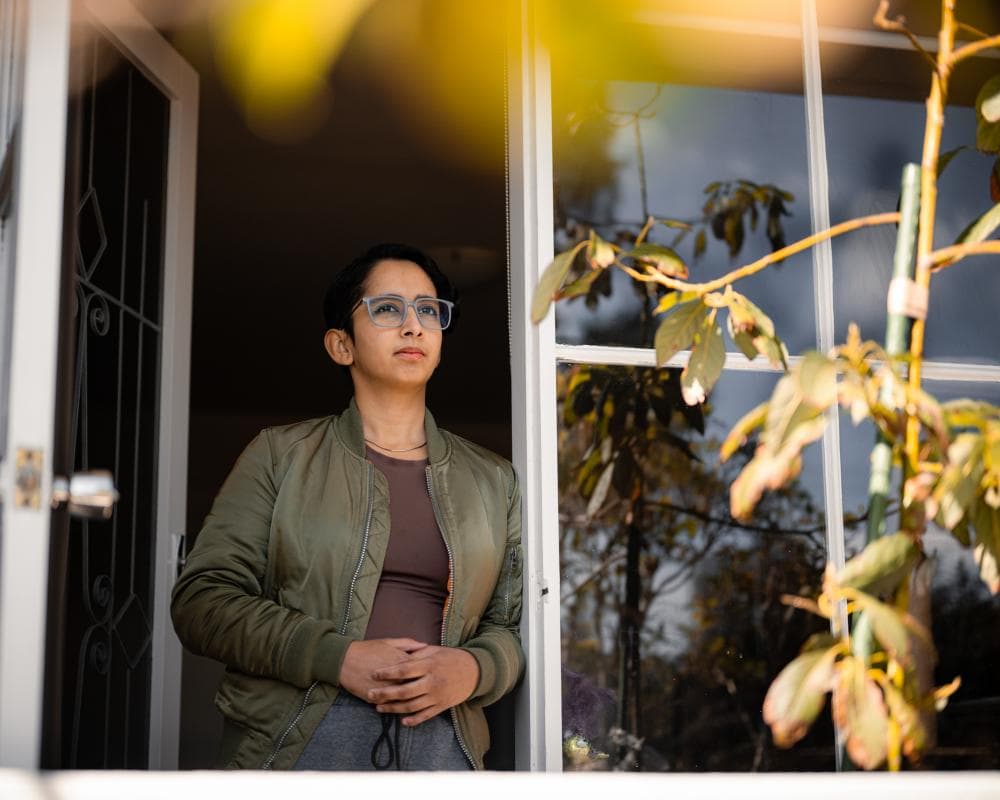
A chain of flowers tattooed from knee to foot, a gold nose ring worn on a left nostril, a primary school tie caked in mud: these are the images that linger in Sonia Patil’s mind as she tries to help Nepali flood victims find their loved ones.
More than 1,300 have died and at least 5,500 have been reported missing since a glacial collapse sent a torrent of water, mud, ice and debris through riverside communities along the Nepal-Tibet border on 26 August.
Families and friends of those reported missing have spent weeks searching through graphic photos of bodies, which were uploaded by Nepali police for the community to identify.
Related: Who are the Australians missing in the Nepal floods? What we know so far
Some show only partial corpses – disconnected torsos, limbs splayed at unnatural angles, decomposition eating away at extremities – while in others, the faces of flood victims are turned to the camera, their expressions frozen in their death masks.
Patil, a Melbourne-based chef, has no direct connection with Nepal or any of the people whose loved ones have been reported missing. But when she saw videos of their grief, she knew she could help share their burden.
“It’s a very harrowing task for them,” she says.
“If I had lost a family member, the prospect of coming across their body in that condition would be unbearable.
“I knew I wanted to be useful, it’s the least I can do, even if it’s just being another pair of eyes.”
Almost every day since the disaster, she arrives home at midnight after a 12-hour shift and spends another four to five hours on the Nepali police website, trawling through the hundreds of images of decomposing bodies and limbs.
If any have distinctive features - like clothes, tattoos and jewellery – she adds them to her list and posts it to Facebook groups filled with those looking for their loved ones.
It can be a confronting and tedious process, Patil says.
During the day, the Nepal police website slows or malfunctions under the weight of all the families looking for information, so she finds it easier to work at night.
The listings, which grow by the day, may only show partial remains, and most only have one image per body – meaning she cannot see any other angles.
Missing persons posters are also spread across multiple platforms, forcing Patil to search across the internet to crosscheck information.
But no matter how hard it is, she says it is worse for those on the ground.
“It’s very disturbing to know that I may be looking at a picture of a live person and somebody who is deceased at the same time, trying to compare them,” she says.
“I find it easier when I go in with the mindset that all the images on that website are all human: they have lived lives, they have stories, they have families looking for them.”
Related: As Nepal’s morgues fill, Parkrit hopes her DNA can be used to find her mother
Patil is part of a group which includes people from the US, Europe, New Zealand and other countries who work together to identify bodies. They generally look for matches for those who have reached out to them with photos of their missing friends and family.
It is difficult to be 100% certain through visual identification alone, as many images of the bodies are unrecognisable. So when members think they have made a match, the group asks relatives to submit their DNA to labs in Nepal for official confirmation.
If they believe they have made a match for someone who has not asked for their help, the group tries to report it to Nepali authorities.
Making a likely identification is bittersweet for everyone involved, Patil says, because while they are glad a family will get closure, “it’s not a great feeling to know that person is no longer here”.
But it is worse when she posts her lists and no one responds.
“In some cases, entire families have been wiped out, which means that even people with the most recognisable tattoos have nobody left to identify them,” she says.
Patil does not want any thanks for her work. Instead, she urges everyone to keep sharing the lists in case someone in their network recognises the missing.
It is now becoming harder to discern any distinctive features as the bodies disintegrate under the sun and sludge with the passing days. But Patil has vowed to continue.
“So long as I can find tattoos or anything identifiable, I will keep going,” she says.