Three scientists-two British and one American- were jointly awarded the 1962 Nobel Prize for Medicine and Physiology here today. The Caroline Institute announced that Dr Francis Harry Compton Crick, of the Institute of Molecular Biology, Cambridge, Dr James Dewey Watson, of Harvard, and Dr Maurice Hugh Frederick Wilkins, deputy director of the biophysics laboratory, King's College, London, would share the prize for "their discoveries concerning the molecular structure of nucleic acids and its significance for information transfer in living material." The prize money this year is 257,219 kroner, about £17,300. The Nobel Prize is the second award to Dr Crick this month. Last week he received the Canadian Gairdener Foundation Prize of $25,000 for the same discovery. In 1960 he was awarded the Albert Lasker Prize together with Dr Watson and Dr Wilkins. Professor Ulf von Euler, chairman of the Caroline Institute's Nobel Committee, said that the work of this years winners was of great importance to the whole study of heredity and the reason for the passing on of hereditary diseases. It might even be found to provide an explanation for the deformities of thalidomide babies. The work of the three scientists meant, in effect, the discovery of a code, or working instructions, for the formation of enzymes which governed heredity. It could lead to an explanation of why one species was different for another and why each in
Anglo-US team shares Nobel Prize
From our Correspondent, Stockholm, October 18
· 1 min read · Source: The Guardian

OpenAI claims to have solved maths problem that stumped humans for decades
Company behind ChatGPT says 10,000 of its AI systems cracked the Navier-Stokes problem in 88 hours
Ian Sample and Dan Milmo
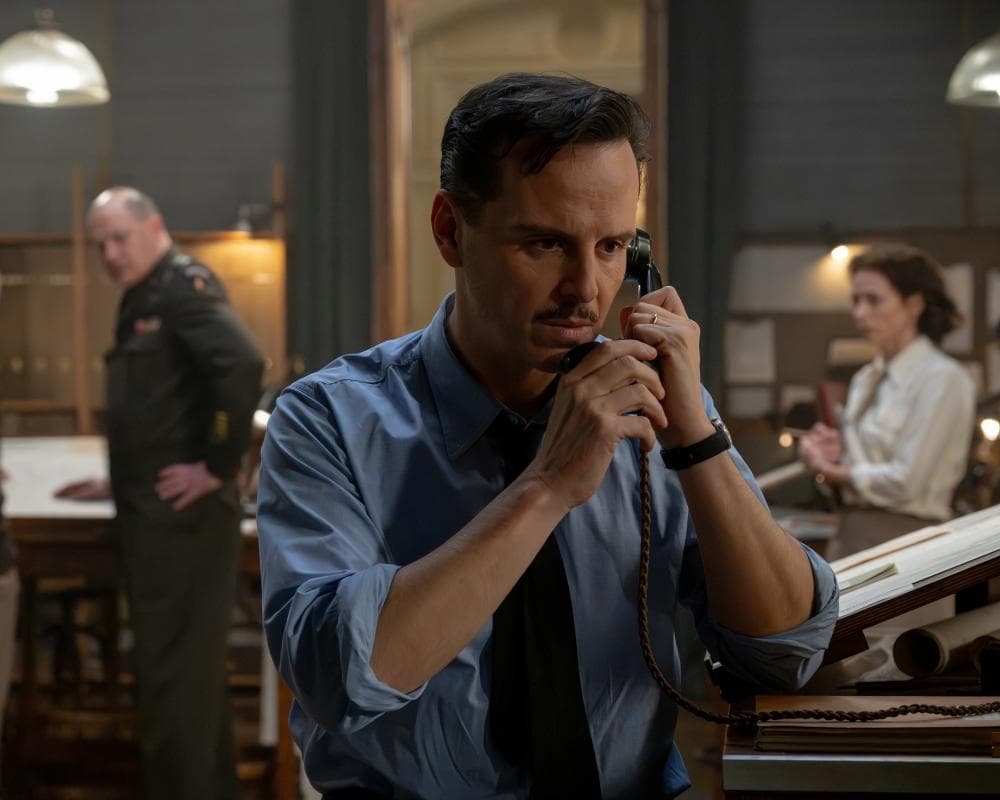
How meteorologists recreated weather that helped decide second world war
Experts helped guide weather scenes in Pressure – a film depicting dramatic buildup to 1944’s D-day landings
Nicola Davis Science correspondent

Konstantinos Politis obituary
Archaeologist who spent his career excavating and protecting the sites and artefacts of Jordan’s Dead Sea shore
James Fraser
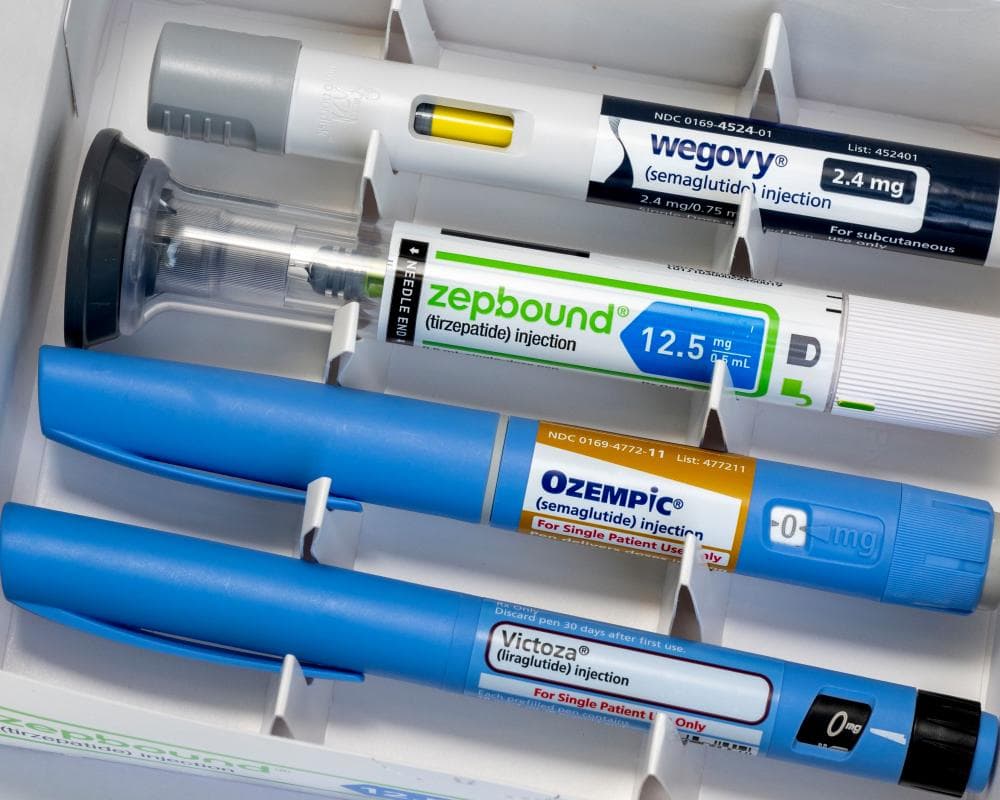
Cravings ‘like heroin withdrawal’: what happens when weight-loss drugs don’t work?
GLP-1 medications have been a gamechanger in the fight against obesity. But for a minority of patients, their impact is negligible. Why?
Nicola Davis Science correspondent